Showing posts with label Digital Marketing Success. Show all posts

Monday, November 9, 2026

How creators use agentic assistants to build repeatable revenue

How creators use agentic assistants to build repeatable revenue

Posting more content does not automatically create steadier income. Agentic assistants can help creators build repeatable revenue when they take on defined tasks around publishing, lead follow-up, and customer support while the creator stays responsible for the ideas, recommendations, and relationships that earn trust.

The practical opportunity is to turn a successful one-off activity into a process you can run again. That might mean moving a reader from a useful article to a relevant affiliate recommendation, following up with someone interested in a digital product, or keeping an existing customer engaged. The assistant handles routine steps; you decide what is worth offering and whether each message is accurate, appropriate, and recognizably yours.

What agentic assistants do for creators

An agentic assistant does more than produce a draft in response to a prompt. Given a goal, instructions, approved tools, and access to relevant information, it can carry out a sequence of tasks: gather inputs, prepare an asset, route it for review, and update a record when a step is complete. The important distinction is not how independent the software sounds. It is whether the workflow can move forward reliably without asking you to repeat every routine instruction.

Direct answer: Creators use agentic assistants to build repeatable revenue by connecting content, offers, and follow-up in a controlled workflow. An assistant can prepare research, adapt approved content for different channels, organize leads, and draft timely responses. The creator reviews claims and creative decisions, while measuring whether the process produces qualified interest, sales, and returning customers.

Consider a home-based entrepreneur who teaches beginner website setup and recommends selected hosting tools as an affiliate. A basic AI tool might draft a post about choosing a host. An agentic workflow could also collect common reader questions, outline a comparison using verified product details, prepare an email for subscribers who requested the guide, and flag questions that need a personal answer. None of those steps makes the recommendation trustworthy by itself. The creator still has to decide which tools fit the audience and check every material claim before publication.

Adobe’s 2026 Creator Toolkit survey covered more than 16,000 creators across eight markets. Respondents published digital content several times per month and generated income across digital platforms. Among creators using creative AI, 87% said it had accelerated business or audience growth, and 75% said it was integrated or essential to their workflow. Those are reports from surveyed creators, not a promise that adding an assistant will increase any particular business’s revenue.

Adobe’s Firefly AI Assistant, launched in 2026, illustrates the intended division of labor: a conversational interface helps orchestrate and execute creative work, while the creator remains in control. Adobe also found that 85% of creators said the final creative decision should always stay with the creator, even when generative or agentic AI is involved. For a small business, that is a useful operating principle rather than a brake on automation.

Start with a revenue path, not an AI tool

Before choosing software, write down how someone goes from discovering your work to getting value from an offer. A creator may earn through affiliate commissions, a paid template, a course, a membership, client services, or a combination. Each route has different bottlenecks. Automating content production when no understands the offer will only produce more content that fails to convert.

Map one narrow path in plain language: a person has a problem, finds a useful resource, takes a meaningful next step, receives a relevant recommendation, and gets help after the decision. Then ask where time-consuming repetition interrupts that path. For an affiliate publisher, it might be keeping product comparisons current. For a service provider, it might be qualifying inquiries. For a course creator, it might be answering the same pre-purchase question in several places.

  • Audience signal: What question, search, reply, or download indicates a real need rather than casual attention?
  • Useful asset: What article, video, checklist, or email helps the person make a better decision?
  • Relevant offer: What product or service genuinely addresses the problem, and when should it be presented?
  • Next action: What should happen after someone clicks, replies, purchases, or decides not to buy?
  • Owner and checkpoint: Which steps can an assistant prepare, and which require your approval?

This map prevents a common mistake: treating every new follower as a sales lead. A reader researching a problem may need a clear explanation, not an automated pitch. An agent can help identify the appropriate next step if its instructions distinguish a request for information from permission to receive marketing. That distinction protects the relationship on which future revenue depends.

There is also a discovery reason to improve the quality of your revenue path. McKinsey’s 2026 research on agentic commerce says more than half of advertisers believe AI has reshaped discovery and consideration, while its commerce survey reports growing consumer use of AI tools to research purchases. A creator therefore benefits from clear, accurate explanations of who an offer is for, how it works, and where its limits lie. Making content easier to understand serves both human readers and AI-assisted research; it does not require writing for an algorithm at the expense of the audience.

Build a repeatable content workflow without flattening your voice

Content is often the first place a creator experiments with AI because the work is visible and frequent. Adobe’s April 2026 research says creatives integrate AI most heavily into brainstorming and ideation, and its broader research describes practitioners building their own multi-tool workflows. Brainstorming is a sensible starting point, but a revenue-producing process needs to continue through fact-checking, publishing, and learning from audience responses.

Choose one recurring content job, such as a weekly affiliate tutorial or a short video answering a customer question. Give the assistant a brief that describes your audience, the topic’s purpose, approved source material, the offer’s conditions, your disclosure requirements, and examples of your voice. It can then propose angles or create format-specific drafts. You review the central recommendation before anything goes live.

  1. Collect real questions. Use comments, customer emails, support requests, and your own notes to identify problems people actually raise. Remove unnecessary personal details before sharing those inputs with a tool.
  2. Choose one decision to support. Define what the reader should understand or be able to do after consuming the piece. This keeps the assistant from adding broad, low-value sections just to make a draft longer.
  3. Supply evidence and experience. Provide current product details, your observations, and any claims you can verify. Mark unknowns clearly instead of asking an assistant to fill gaps with confident guesses.
  4. Adapt, then inspect. Turn the approved idea into a blog post, email, or video outline as appropriate. Check that each version preserves context, disclosures, and the original meaning.
  5. Record what happened. Note the questions people asked, which explanations needed clarification, and whether readers took the intended next step. Use those observations to improve the next brief.

The goal is not to make every post sound identical. It is to make the preparation and quality checks dependable while leaving room for a fresh example or a changed opinion. Adobe found that 53% of creators who said standing out had become harder blamed the sheer volume of content, while 42% said AI-generated content made unique voices harder to notice. Producing more interchangeable material is a weak response to either problem.

Your lived experience can do work an assistant cannot. If you have used a tool with a client, encountered a confusing setup step, or changed your recommendation after a product update, explain that in your own words. AI can help organize the lesson and adapt its presentation, but it should not imply hands-on experience you do not have. Adobe reported that 40% of creators feel AI-assisted content consistently performs better; that finding is a reason to test thoughtful assistance, not to assume volume alone is the cause.

Video creators face the same balance. Adobe’s 2026 data reports AI-tool use among video creators posting on Facebook, Instagram, TikTok, and YouTube, with figures of 82%, 75%, 75%, and 74%, respectively. The prevalence of tools does not tell you which format your audience prefers. Let the channel and the viewer’s question shape the output: a short demonstration may need a visual proof point, while an email can offer a more detailed decision guide.

Connect helpful content to offers people can choose confidently

Repeatable revenue requires an offer that fits the problem you helped someone understand. An assistant can organize offer information and prepare explanations, but it should not decide that every topic deserves the same promotion. For an affiliate marketer, the better question is not how often a link can appear. It is whether the reader can see why this product, rather than an alternative or no purchase, makes sense for their situation.

Create a small, maintained offer file for each product you recommend. Include what it does, who it suits, who it may not suit, pricing details you have checked, practical limitations, the destination of the link, and the disclosure language you use. If a fact changes, update the file before asking the assistant to revise an article or email. A maintained source of approved details is more useful than repeatedly hoping a model recalls the right information.

Use the assistant to clarify fit, not manufacture urgency

Suppose you sell a planning template alongside affiliate recommendations for email software. A visitor downloading a free checklist may be ready for an explanation of how to choose an email platform, but not for a claim that they must buy one immediately. The assistant can draft a comparison that describes the template, the software, and a low-cost manual alternative. You can then check whether the suggested next step reflects the person’s likely stage.

For a digital product, the same workflow can help maintain product pages and onboarding messages. It might identify questions from support conversations, propose clearer instructions, or draft a message explaining an update to existing customers. That work may support repeat purchases or retention because it reduces confusion, but it does not substitute for a product that delivers what was promised.

Offer design also needs a financial reality check. A low-priced product with extensive manual support may not become sustainable merely because the sales emails are automated. Look at the work required to deliver the offer, the cost of the tools involved, and the customer experience after purchase. If the offer is not useful or the economics do not work, revise it before scaling the workflow that promotes it.

McKinsey’s 2025 State of AI report says revenue benefits from AI were most commonly reported in marketing and sales, strategy and corporate finance, and product and service development. Those functions overlap with the decisions a creator makes about positioning, promotion, and what to build next. The lesson is to connect automation to a viable offer and a clear customer problem, rather than treating content generation as the whole business.

Automate lead follow-up with narrow, reviewable tasks

Follow-up is where promising interest often becomes difficult for a solo operator to manage. Inbound questions arrive through forms, email, comments, or direct messages; some need a quick resource, while others need a thoughtful personal reply. An agentic assistant can keep the queue organized and prepare context so you spend less time reconstructing each conversation.

OpenAI has described an internal sales agent that researches inbound prospects, scores them, sends personalized email, and updates CRM records. A creator should not copy an enterprise sales process wholesale. The transferable pattern is the sequence: receive a permitted signal, gather relevant context, decide what kind of response is appropriate, send or draft it under clear rules, and record what happened.

Start with a low-risk version. Let the assistant summarize an inquiry, identify the page or offer that prompted it, and draft a response for your approval. If those drafts are consistently accurate, you might allow it to send a straightforward acknowledgment while reserving pricing discussions, sensitive issues, and personalized recommendations for human review. Keep a record of what was sent so you can correct mistakes and avoid conflicting messages.

  • Good early task: Sort inquiries by topic and flag messages asking for a personal recommendation.
  • Useful drafting task: Prepare a reply that links to an existing, relevant resource and leaves room for your own answer.
  • Higher-risk task: Send unsolicited sales messages or make individualized claims about results, pricing, or suitability without review.

If you maintain a customer or subscriber database, avoid giving an assistant broad access simply because a connector makes it convenient. Specify which fields it needs, when it may update them, and what triggers an approval request. Permission to receive a free resource is not, by itself, permission for every kind of follow-up; use the consent and unsubscribe practices appropriate to your channels and location.

OpenAI’s case study on Clay describes a persistent workspace and a dedicated subagent for each account as part of what the company calls a self-learning revenue engine. That is an example of how organized context can support repeatable operations at company scale, not a blueprint that every creator needs to purchase or recreate. A simple, accurately maintained lead record can be enough for a home-based business. Start with the smallest system that prevents a real opportunity from being forgotten.

Other enterprise examples point in the same direction without predicting creator results. A16z reports that computer-using agents are beginning to work in production on narrow tasks such as updating systems of record, moving data through portals, and processing tickets. The useful takeaway is to give an assistant a bounded job with a clear completion condition. Vague instructions to run your business are harder to check than a request to prepare approved replies to a specific category of inquiry.

Keep control of accuracy, disclosure, data, and ownership

Trust is not a separate project to add after monetization. It affects whether a reader believes a recommendation, whether a customer understands what they are buying, and whether your of work remains worth returning to. This is especially important when an assistant can publish or send messages at a pace that makes errors easy to repeat.

Adobe asked creators what guardrails they most wanted in creator-facing AI agents. Review, edit, and undo controls were cited by 44%; transparency into what the agent is doing by 37%; and clear limits on data and tool access by 34%. You can translate those preferences into a simple rule for your own setup: know what the assistant may read, what it may change, and how you will inspect or reverse an action.

Make approval proportional to the risk

An assistant can usually suggest a line or organize your own notes with limited downside. Publishing an affiliate comparison, sending a sales email, or changing a customer record has a different risk profile. Require approval for claims about products, financial outcomes, customer-specific advice, and anything that could affect your reputation or someone else’s decision. Check links and destination pages before a campaign goes out.

Disclosure deserves its own checkpoint. Adobe found that 49% of creators always or often disclose AI use, while 18% rarely or never do; 85% said audience expectations around disclosure are increasing or holding steady. Sprout Social’s Q1 2026 Pulse Survey analysis found that unlabeled AI-generated content was the single thing consumers most wanted brands to stop doing that year. Decide how you will identify material AI involvement when it could matter to your audience’s understanding, and make affiliate or sponsored relationships clear rather than burying them.

Transparency should be useful, not theatrical. A routine grammar assist and a synthetic testimonial do not raise the same questions. Never present generated experiences, product tests, endorsements, or people as real. If a creative asset might reasonably be mistaken for a genuine demonstration or customer account, review how it is labeled and whether it should be used at all. Sprout Social’s 2026 Influencer Marketing Report, based on a survey of 2,250 consumers in the US, UK, and Australia, found substantial public skepticism toward synthetic brand partnerships.

Ownership matters as well. In Adobe’s survey, 90% of creators said obtaining copyright protection for AI-assisted work was important. That reflects a commercial concern: a creator may want to sell, license, or reuse what they make. It does not establish that every AI-assisted asset qualifies for protection. Keep records of your original contributions, review the terms of tools and source materials, and seek qualified advice when rights are central to a significant product or licensing deal.

Finally, build a stop mechanism. If a source becomes outdated, a link changes, a subscriber objects, or an assistant starts repeating an incorrect claim, you should be able to pause the workflow, inspect what it has done, and correct affected assets. A slower process you can supervise is more valuable than a fast one you cannot audit.

Measure repeatability before adding more automation

The clearest test of an agentic workflow is not how many drafts it produces. It is whether you can run it again with consistent quality and a sensible amount of effort. Start with one content-to-offer path and establish a baseline using records you already have. You do not need a complex dashboard to notice whether relevant people are finding a page, asking useful questions, and taking the next step.

Track measures that correspond to the decisions in your workflow. For discovery content, look at whether it attracts the intended questions rather than only broad traffic. For an email sequence, look at replies, link engagement, unsubscribes, and sales where you can attribute them responsibly. For a paid offer, consider support requests and refunds alongside purchases. Time spent reviewing and correcting assistant output belongs in the picture too: automation that creates a large cleanup burden may not save you anything.

Use a short review cycle to ask three questions. First, did the workflow complete its assigned steps without losing context? Second, did readers or customers receive accurate, useful information? Third, did the process contribute to a business result you care about, such as qualified inquiries, purchases, or continued use of a product? If the answer to the second question is no, fix that before optimizing for the third.

  1. Choose one recurring job. Pick a task you already perform, such as turning customer questions into an approved tutorial and a related follow-up email.
  2. Document the current process. Write down the inputs, the decisions you make, the files and tools involved, and the point at which work is finished.
  3. Assign a narrow assistant role. Let it collect and organize inputs or prepare drafts, with clear boundaries on access and sending.
  4. Review a complete cycle. Check accuracy, voice, disclosure, customer experience, and the time required to supervise it.
  5. Expand only when the job is stable. Add another channel or a later step in the customer journey after the first workflow proves useful.

This measured approach leaves room for different tools and budgets. You might use built-in AI features in software you already own, connect a few approved applications, or rely on a manual checklist with AI-assisted drafting. Larger organizations may build agents internally, but that does not mean a solo creator needs custom software. McKinsey’s 2026 AI survey found that 40% of respondents at large organizations reported scaling AI agents, up from 27% the previous year. It also found that 32% of organizations had decided against buying at least one software product or feature because they could build it internally with agentic coding tools. Those findings describe organizational choices, not a requirement for a creator just starting out.

Expect to adjust the system as your offers and audience change. A workflow that suits a new affiliate site may not suit a membership with ongoing customer conversations. Periodically remove steps that no longer help, update approved information, and check whether your own voice is still present in the work. Repeatability means you have a dependable way to learn and deliver value, not that every message must follow a rigid script.

Agentic assistants are most useful when they support a revenue path you understand: help a specific audience, offer a fitting next step, follow up respectfully, and learn from the result. Give the assistant narrow, repeatable work, and keep creative judgment, material claims, and customer trust in your hands.

If you are ready to begin, choose one task you already repeat and write down its inputs, approval point, and desired outcome. Run that small workflow before automating anything else. A dependable process built around a useful offer is a stronger foundation for repeatable revenue than a larger pile of AI-generated content.


Thursday, November 5, 2026

Build hands-off funnels that convert attention into steady payouts

Build hands-off funnels that convert attention into steady payouts

Getting attention is easier than turning it into reliable affiliate income. Hands-off funnels help bridge that gap by guiding interested people from a useful first encounter to an appropriate offer, then following up when they need more time to decide.

“Hands-off” does not mean setting up a few messages and never looking at them again. It means automating repeatable steps, capture, education, reminders, and measurement, while keeping a human in charge of offer quality, consent, and improvements. That distinction matters when clicks are rising but purchases are not: impact.com and Cardlytics report that click volumes rose 2% year over year while conversion rates fell 6% year over year.

What hands-off funnels need to do before they can earn

A funnel is the path someone takes from discovering your content to making a decision. For an affiliate marketer, that path might begin with a comparison article, continue through an email guide, and end with a click to a partner’s product page. If the visitor buys and the transaction qualifies under the program’s terms, you may earn a commission.

Direct answer: Build a hands-off funnel by matching one audience problem to a relevant offer, capturing permission to follow up, sending automated help that answers buying questions, and measuring qualified conversions and commissions. Keep reviewing the experience so automation stays useful rather than becoming a stream of generic messages.

The payout is the result of a decision, not the immediate result of attention. A page view, social engagement, email signup, affiliate click, merchant sale, and approved commission are different events. Your funnel should move people between those events without treating every new subscriber as a buyer.

There is a practical reason to design for more than one interaction. impact.com and Cardlytics report that average order value grew 1.9% while shopping trips fell 1.6% over two years, suggesting more deliberate purchasing behavior. Their report also describes conversion as increasingly dependent on multiple touchpoints. A visitor who reads today and returns later may be progressing, even if the first session produces no payout.

Choose a single primary outcome for each funnel. An affiliate funnel may aim for qualified partner-site visits that turn into approved commissions. A home-based business selling its own product may instead optimize for purchases or booked consultations. The automation can look similar, but the economics and the data you can observe will differ.

  • Attention source: The search page, social post, newsletter recommendation, or partner placement that introduces the problem.
  • Useful next step: A relevant article, checklist, short lesson, or comparison that gives the visitor a reason to continue.
  • Permission-based follow-up: An email signup or other lawful opt-in that lets you continue the conversation.
  • Offer and decision support: A clear recommendation, its limitations, and answers to likely objections.
  • Measurement: A way to distinguish interest from clicks, sales, and commissions actually payable to you.

That last step keeps the word “steady” honest. Automation can make follow-up more consistent, but it cannot guarantee a fixed income. Traffic, merchant conversion, attribution rules, refunds, and program terms can all affect whether a commission is approved and paid.

Start with a buyer problem, not an automation tool

Before choosing email software or asking AI to draft a sequence, define who the funnel serves and what decision they are trying to make. “People interested in making money online” is too broad to guide useful follow-up. “Home-based entrepreneurs comparing tools for organizing affiliate content” gives you a clearer set of questions to answer.

Work backward from the offer. Identify the person who is likely to benefit, the problem the offer addresses, and the evidence a cautious buyer would need. Read the partner’s product details, pricing, restrictions, and commission terms yourself. If you have used the product, describe what you can genuinely verify; if you have not, do not imply personal experience.

Check whether the offer fits the audience

A high advertised commission does not rescue a poor recommendation. Compare the offer with alternatives, including a free or lower-cost option where one exists. Consider whether the merchant’s landing page actually answers the questions your content raises. A good match makes the transition from your guidance to the merchant’s page feel natural.

Affiliate terms deserve the same attention as product features. Check which actions qualify for payment, how referrals are attributed, whether promotions are allowed in email or paid ads, and what happens if an order is refunded. These details shape the funnel you can build. They also prevent you from optimizing for clicks that your program will never credit.

impact.com reports that average commission rates climbed 2% year over year and non-action-based payments grew 3% year over year. Those are market-level observations, not a promise that a particular partner will raise your rate. They do suggest it is worth evaluating the full partnership model rather than assuming the only valuable contribution is the last click before checkout.

Map questions to content

List the questions a potential buyer asks before they are comfortable moving forward. Early questions might concern the problem itself. Later ones may concern fit, cost, setup effort, competing approaches, and what could go wrong. Match each question to a page or message instead of repeating the same sales pitch in different words.

For example, someone exploring email automation may first need an explanation of what a welcome sequence does. Next, they may want to compare a simple built-in email feature with a dedicated platform. Only after that might a product recommendation be useful. A funnel can serve all three stages without forcing everyone through the same message at the same moment.

This is also where content partners and deal-based channels fit. impact.com says brands investing in content partners, commerce media, and deal-based channels can reach buyers that pure conversion tactics miss. If your strength is explaining choices clearly, build that influence into the funnel. If your audience mainly wants timely deals, be transparent about deal conditions rather than presenting urgency as a substitute for fit.

Capture attention with useful content and a trustworthy opt-in

Your entry content should deliver value even when a visitor never subscribes. An article can clarify a confusing choice; a social post can demonstrate a small workflow; a short video can show what a tool does and does not do. Then offer a next step that is closely related to the reason the visitor arrived.

A checklist for evaluating affiliate programs makes sense after an article about choosing programs. It is less compelling after an unrelated post about social media scheduling. Relevance matters because an opt-in is not just a way to collect an address; it is the visitor’s expectation of what you will send next.

Mailchimp’s U.S. opt-in research reports that 66% of consumers have opted into email and 65% into text messaging, while 42% report receiving irrelevant communication. People are willing to hear from businesses, but access to an inbox or phone is not permission to send anything you like. Describe the signup benefit plainly, collect consent appropriate to the channel, and make it easy for people to stop receiving messages.

Make the first page easy to act on

  • Lead with the decision: Tell visitors what they will learn or be able to choose, rather than opening with vague claims about passive income.
  • Show the exchange: Explain what subscribing provides and what kinds of follow-up to expect.
  • Keep the next step visible: Use a clear signup or offer link near relevant content, without hiding the useful answer behind it.
  • Disclose relationships: Make affiliate relationships clear where recommendations and links appear, following the applicable rules for your audience and program.
  • Check the handoff: Make sure the promised resource arrives and that links lead to the correct destination.

Organic search can bring visitors who are already asking a specific question, but it takes ongoing work to keep content accurate and discoverable. Social platforms can surface your ideas to people who were not searching, but attention there may disappear quickly. A permission-based email list gives you a way to continue a relevant conversation after either discovery path, provided you earn and maintain that permission.

Do not make an opt-in the only route to a recommendation. Some readers are ready to evaluate an offer now; others want to learn first. Give both groups an appropriate path. You can link to a careful review on the page and also offer a helpful email series for those who want a slower introduction.

Test the experience as a visitor, not just as its creator. Open the page on a phone, submit the form, read the confirmation, and follow the first email’s links. If the exchange feels confusing or the content does not match the signup promise, fixing that mismatch is more valuable than adding another automated step.

Build an email nurture sequence that earns the next click

Email is well suited to the time between interest and purchase. HubSpot identifies email marketing, tied with organic social, as the second most used marketing channel across business sizes. Litmus also frames the need for patience by saying that “95% of your audience aren’t ready to buy.” The useful lesson is not to assume an exact readiness level for your own list; it is to give subscribers a reason to stay engaged before asking them to buy.

A welcome sequence should respond to what someone signed up for. If they requested a comparison guide, deliver it first. Then help them interpret it, address a likely concern, and point them toward a suitable next step. The sequence becomes hands-off once these messages are triggered and delivered automatically, but the underlying advice still needs to be accurate.

  1. Fulfill the promise. Send the requested resource and briefly explain how to use it. Avoid replacing delivery with an immediate sales message.
  2. Clarify the problem. Explain a common mistake or decision criterion that helps the subscriber make progress, whether or not they purchase.
  3. Show the options. Compare the recommended offer with a reasonable alternative, naming who each option suits and where it may fall short.
  4. Address hesitation. Answer a real question about cost, setup, suitability, or switching effort without inventing testimonials or results.
  5. Offer a clear next step. Invite the subscriber to read a full review, try a product where appropriate, or reply with a question. Explain any affiliate relationship clearly.

This is a planning pattern, not a required message count or sending schedule. A complex purchase may need more education; a simple, familiar offer may need less. Let the subscriber’s original question and their interactions guide the length. A person who already clicked a detailed review may need a different follow-up from someone who has only opened the welcome message.

Use behavior carefully

Automation tools can branch based on actions such as signing up through a particular page, clicking a topic-specific link, or completing a purchase when that information is available to you. That makes follow-up more relevant than sending an identical campaign to everyone. For example, readers who engage with a budget-focused comparison can receive guidance on essential features, while readers exploring advanced workflows can receive a deeper setup explanation.

Keep those branches simple enough to inspect. If a subscriber can enter several conflicting sequences, the result may be repetitive or poorly timed messages. Set rules for when someone enters a flow, when they leave it, and what happens after a meaningful conversion. If you cannot reliably confirm an affiliate sale, avoid assuming a subscriber has or has not purchased based solely on an email click.

Check what the merchant does after the handoff, too. If your email promises a specific feature and the linked page describes a different plan, the experience breaks at the most important moment. Review offer pages and program terms regularly so evergreen emails do not become outdated recommendations.

Finally, give every email a reason to exist. A useful sequence does not simply alternate between “buy now” and “still thinking?” Each message should answer a distinct question, reduce uncertainty, or help the reader decide that the offer is not right for them. That last outcome can protect trust, even when it does not produce an immediate payout.

Coordinate email, SMS, and retargeting without chasing people everywhere

Multi-touch does not mean sending the same promotion through every available channel. It means using each channel for a purpose that fits its format and the person’s permission. Email can carry a comparison or tutorial. An SMS, where a person has explicitly opted in to receive it, is better suited to a short, timely update. Retargeting may remind a previous visitor about a relevant resource, subject to platform rules and applicable privacy requirements.

Mailchimp’s peak-season analysis covered 44 billion emails and 83 million text messages. During the 62-day period it studied, Mailchimp customers generated more than $1.1 billion in gross revenue and more than 7.5 million orders from email and SMS. Those figures describe merchant activity across a large customer base; they are not affiliate commissions, and they do not predict what an individual funnel will earn.

The channel differences are still worth understanding. Mailchimp reports that, at peak, SMS delivered up to six times higher order rates than email and three times higher revenue per message. “Up to” and “at peak” are important qualifiers. A time-sensitive merchant promotion may justify a well-timed text to people who requested texts; an evergreen educational series may be better served by email alone.

Choose the channel by the job

  • Use email for depth: Deliver resources, explanations, comparisons, and follow-up that readers may want to revisit.
  • Use SMS sparingly for immediacy: Send concise, relevant updates only to people who have provided the necessary permission.
  • Use retargeting for continuity: Bring an interested visitor back to a helpful page when your tracking setup and privacy choices allow it.
  • Use on-site content for self-directed research: Let people answer questions without waiting for a message or sharing their contact details.

Mailchimp found that conversion rates across email and SMS peaked during Cyber Week before tapering later in the season. That supports planning around genuine buying moments, but it does not make every funnel a holiday funnel. For evergreen offers, useful timing may come from the visitor’s behavior or a product need rather than a calendar event.

Channel orchestration should also include restraint. Suppress messages that no longer fit, such as an introductory pitch after someone has moved to an advanced guide. If you cannot verify a purchase, phrase follow-up so it remains useful to either a buyer or a nonbuyer. The goal is to help people continue a decision, not make them feel followed around the internet.

Use AI to speed production, then review what it produces

AI can make a small business’s funnel easier to maintain. It can help turn product notes into draft email outlines, suggest alternative subject lines, summarize recurring questions, or flag pages whose message does not match the signup promise. Those are useful production tasks, but the owner of the funnel remains responsible for the accuracy of every recommendation.

Litmus reports that 78% of teams in 2026 took three days or less to produce and deploy one email. Its comparison says 44% in 2025 reported taking a few days to one week, a differently worded time range rather than a precise like-for-like speed measure. The broader point is that email production is moving quickly. Faster drafting can help you test and update a sequence, but publishing speed alone does not improve the subscriber’s experience.

Salesforce reports that 75% of marketers have adopted AI, while 84% admit to running generic campaigns and 69% struggle to respond promptly to customers. Adopting a tool is not the same as building relevant automation. Salesforce also reports a 19% increase in conversion rates among marketers using AI agents; treat that as a reported association, not a guaranteed lift for your funnel.

Give AI bounded, verifiable tasks

  • Provide real inputs: Supply the audience question, product documentation, affiliate restrictions, and your actual experience rather than asking for a persuasive email from a product name alone.
  • Request useful distinctions: Ask for messages tailored to different questions or needs, not invented details about individual subscribers.
  • Review factual claims: Check features, prices, eligibility, links, and comparisons against current information before publishing.
  • Protect trust: Remove fabricated outcomes, false urgency, unsupported superlatives, and language that implies you tested something you did not test.
  • Check usability: Read drafts on mobile, write descriptive links, and make sure key information is understandable without relying on images.

Accessibility belongs in that review. Litmus says advanced AI adopters are 54% more likely to follow WCAG standards and 52% more likely to comply with the European Accessibility Act. Those findings do not mean AI automatically makes an email accessible. They reinforce the value of putting accessibility checks into the production process: readable structure, clear link text, meaningful image alternatives, and a sensible experience when images are off.

A practical workflow is to let AI draft from an approved brief, then perform a human review before the message enters automation. After launch, use AI to organize feedback or spot patterns in questions, but verify its conclusions against actual subscriber behavior. Automation should reduce repetitive work while leaving judgment where it matters most.

Measure the distance between attention and approved payouts

A funnel can look busy and still underperform. Opens, views, and clicks can help diagnose where people engage, but they are not a substitute for business outcomes. HubSpot lists lead-to-customer conversion rate among marketers’ top metrics, alongside concerns such as lead quality, return on investment, and customer acquisition cost. For an affiliate, the equivalent question is whether the attention you attract leads to qualified, credited actions and commissions.

Start with a simple view of the journey. Record where visitors came from, which page or resource they used, whether they opted in, which offer links they clicked, and which commissions the affiliate platform ultimately reports. Where merchant data is unavailable, mark it as unavailable rather than filling the gap with assumptions.

  • Conversion rate: The share of people completing a clearly defined action, such as joining your list or purchasing, within the population you are measuring.
  • Lead-to-customer conversion rate: The share of leads who become customers when you can reliably observe both events.
  • Order rate and revenue per message: Commerce measures that can help evaluate email or SMS when the merchant or your own store provides that data.
  • Commission rate: The payment terms attached to qualifying affiliate actions, interpreted alongside product fit and approval rules.
  • Customer acquisition cost and ROI: Measures that put spending and returns in context, using the costs and revenue you can actually attribute.

Be precise about whose revenue you are looking at. A merchant’s revenue per message is not your revenue per message as an affiliate. If a partner reports sales but your dashboard reports only approved commissions, use your commission figures to judge your own payouts. Likewise, an email click is not a lead-to-customer conversion unless you can connect it to a customer outcome.

Diagnose the weak link before changing everything

If content attracts visitors but few subscribe, examine whether the offered resource matches the page’s question. If subscribers join but do not click, read the emails for relevance, clarity, and repetition. If qualified visitors click an affiliate link but few actions are credited, inspect the merchant page, offer fit, tracking setup, and program rules before rewriting every email.

Compare performance across meaningful groups rather than averaging unlike audiences together. A reader researching a complex tool may need more education than someone looking for a familiar product on offer. The impact.com and Cardlytics finding that clicks rose 2% while conversion rates fell 6% is a reminder that increasing traffic can hide a weakening transition from interest to purchase.

When you test, change a specific element for a specific reason. Try a clearer signup promise if the page draws relevant traffic but produces few opt-ins. Try a more useful comparison if readers reach the recommendation but hesitate. Keep notes on what changed and what you observed; small lists can produce noisy results, so do not treat every short-term fluctuation as proof.

Finally, calculate whether the funnel is worth maintaining. Include software, content production, advertising if used, and your own time in the decision. A funnel that earns some commissions but requires constant manual rescue may not yet be hands-off. A narrower funnel that answers a real question and needs only periodic upkeep may be a better foundation.

Launch one small funnel, then keep it trustworthy

The easiest way to get stuck is to plan an elaborate system before proving that anyone wants the guidance. Choose one audience question, one relevant offer, and one clear route from discovery to follow-up. Build that route, test it end to end, and learn from the first real interactions before adding more branches or channels.

  1. Choose the decision. Write down the problem your content helps solve and the person it is meant for. State what the offer does well and when you would recommend an alternative.
  2. Publish an honest entry point. Create a useful article, demonstration, or comparison that answers the initial question and makes the next step clear.
  3. Offer a relevant opt-in. Invite readers to receive a resource or follow-up that expands on the topic. Confirm that the signup language matches what you will send.
  4. Automate a focused follow-up. Deliver the promised help, answer distinct buying questions, and link to the offer where it fits. Add disclosures and required unsubscribe options.
  5. Test every path. Submit the form, read messages on a phone, check links and tracking, and confirm that people can leave the sequence.
  6. Review real outcomes. Compare traffic, signups, qualified clicks, and reported commissions. Improve the weakest transition you can actually observe.

There are alternatives to building a large email sequence from the start. A strong comparison page with a clear affiliate recommendation may be enough to test an offer. A short email follow-up can then serve readers who want more detail. If your audience already gathers in a community, you might first learn their recurring questions there and turn those answers into evergreen content. Choose the smallest system that fits the buying decision.

Once the funnel is live, schedule maintenance as part of the model. Revisit product claims, merchant pages, commission terms, disclosures, accessibility, and broken links. Review messages that draw replies or complaints for signs that the content is confusing or irrelevant. If an offer changes or stops serving the audience, update or remove it rather than letting the automation keep recommending it.

Growth can come from improving the existing route before multiplying it. Strengthen a page that attracts the right readers, clarify an email that people misunderstand, or replace a weak recommendation with a better-fit offer. Add SMS, retargeting, or advanced AI workflows only when they solve an observed problem and you can manage the added consent, cost, and complexity.

A hands-off funnel is most durable when it saves readers time as well as saving you repetitive work. Give people a useful answer, let them choose their pace, and use automation to deliver the next relevant piece of guidance. That is a stronger basis for ongoing affiliate payouts than trying to turn every moment of attention into an immediate sale.

Start with one audience question and trace the path from your content to a reported commission. If you cannot explain each step, or cannot tell where people drop off, simplify and measure before expanding. Keep the parts that earn trust, fix the parts that create friction, and let the automation handle the repeatable work.

Monday, November 2, 2026

How to turn always-on workflows and generative insights into steady online earnings

How to turn always-on workflows and generative insights into steady online earnings

Publishing more AI-assisted content will not automatically create steady online earnings. A dependable income system needs useful offers, repeatable workflows, and insights that help you improve what you publish instead of simply producing more of it.

For affiliate marketers and home-based entrepreneurs, the practical opportunity is to let automation handle routine production and follow-up while you keep control of recommendations, accuracy, and audience relationships. Here is how to connect those pieces into a business you can run consistently, even if you are starting with one niche, one offer, and limited time.

What turns always-on workflows into steady online earnings?

An always-on workflow is a repeatable sequence that keeps useful work moving when you are not personally performing every step. A visitor might discover an article, join an email list, receive a relevant lesson, and return to a product comparison days later. Automation can support that journey, but the offer and the content still have to earn the visitor’s trust.

Direct answer: To build steady online earnings with AI, choose an audience problem and a suitable offer, publish searchable content that explains the solution, automate routine production and follow-up, then use performance signals to improve your recommendations. Keep human review in place for claims, affiliate links, disclosures, and customer-facing messages.

Think of the system as a loop rather than a content factory: learn what readers need, create a helpful asset, distribute it, observe what happens, and revise it. A useful article can bring in readers over time; an email sequence can help them take the next step; and a simple review process can keep both assets current. None of these parts guarantees income on its own.

The case for improving the workflow is credible, but it is not a promise of individual results. Adobe’s 2026 Creators’ Toolkit Report found that 87% of creators using creative AI said it accelerated the growth of their business or audience, while 75% said AI was integrated or essential to how they work. Those are reports of creator experience, not a forecast of what a new affiliate site will earn.

Adobe’s 2026 AI and Digital Trends report also found that 76% of organizations reported moderate or significant improvements in the volume and speed of content ideation and production from generative AI. Another 69% reported employee productivity and efficiency gains. For a small business, the actionable lesson is narrower: remove a bottleneck you can identify, then use the recovered time to make your content or offer more valuable.

Before adding tools, draw your current path from audience question to purchase. Mark each step that regularly stalls: finding topics, drafting, editing, formatting, publishing, distributing, responding, or updating. That map tells you where an always-on workflow could help without turning your business into a collection of disconnected automations.

Choose an income model that fits the problem your audience wants solved

Start with an audience and a recurring problem, not with an AI tool. A beginner affiliate marketer explaining home-office software has different reader needs from a creator selling templates to freelance designers. Your content, offer, and follow-up should make sense together.

For an affiliate business, the offer might be a product you have evaluated against a clear set of needs. For a service business, it could be a setup or audit that helps clients implement a workflow. For a creator business, it might be a reusable template, paid resource, or subscription that delivers ongoing guidance. Each model uses automation differently, and each asks the buyer to trust you for a different reason.

  • Affiliate recommendations: Best suited to readers already researching a purchase. Your job is to explain who a product suits, where it falls short, and what alternatives deserve consideration.
  • Digital products: Useful when your audience needs a repeatable process or resource, such as a planning template. The product must save work or improve a decision, not merely restate free articles.
  • Services: Appropriate when readers need help applying a solution to their own business. AI can streamline intake, drafts, and reporting, but your judgment remains part of what they buy.
  • Memberships or subscriptions: Possible when you can provide continuing value, such as updates, feedback, or curated insights. A recurring charge creates a recurring obligation to deliver.

Choose one primary conversion first. If a reader arrives with the question “Which email platform fits a small affiliate newsletter?”, a well-reasoned comparison and a relevant affiliate link may be more useful than asking them to join a broad, unrelated membership. If they are still learning what an email list does, a beginner lesson and a modest email invitation may be the better next step.

AI-assisted shopping is making clear recommendations more relevant. McKinsey found that, among U.S. AI users, the share who completed a purchase with AI rose from 10% to 17% year over year in December 2025. That finding points to changing purchase behavior, but it does not mean an AI assistant will recommend your site or that every recommendation will convert. You still need a page that answers a real question and a product that fits the answer.

Also consider what you are willing to maintain. An affiliate article needs link checks, offer checks, and updates when features change. A digital product needs support and revisions. A service can generate direct revenue but has delivery demands that automation cannot erase. The best first model is not necessarily the one that sounds most passive; it is the one you can support well enough to keep customers confident.

Build a workflow that runs consistently without publishing unchecked AI output

Once you have an audience and an offer, document the smallest workflow that gets a useful piece of content from idea to publication. You do not need an autonomous agent making every decision. A shared checklist, an AI assistant for defined tasks, and a scheduled review can provide a stronger foundation than a complicated system you cannot supervise.

  1. Collect questions. Save questions from customer messages, search queries available to you, community discussions, and your own sales conversations. Record the audience’s situation and what decision they are trying to make.
  2. Prioritize the next asset. Select a question that aligns with your offer and that you can answer responsibly. Decide whether the reader needs a tutorial, comparison, checklist, or review before asking AI to draft anything.
  3. Prepare source material. Gather your own experience, current product information, screenshots you are allowed to use, and any relevant notes. Tell your AI tool what it may use and what it must not assume.
  4. Draft and produce. Use AI for an outline, a first draft, formatting suggestions, image-editing tasks, or shorter versions for other channels. Add your own examples, test steps, and conclusions.
  5. Review and publish. Check facts, product claims, links, disclosures, readability, and calls to action. Publish only after a person has approved the final asset.
  6. Schedule maintenance. Set a prompt to revisit the page when an offer, feature, price, or audience question changes. Keep a record of what you updated and why.

This sequence makes automation specific. An AI assistant can turn notes into a draft, but it should not silently invent product experience. A scheduling tool can queue approved posts, but it should not keep promoting an offer you no longer recommend. The goal is to keep routine work moving while making consequential decisions visible.

Look especially closely at post-production. Adobe’s creative-work research describes substantial AI use in later-stage tasks such as removing distracting background elements, compositing images, and adjusting color and tone. Adobe’s AI-video-tools research also reports that 56% of creators save more than 30 minutes per video with AI, while 10% cut more than four hours from their workflow. Those findings suggest that cleaning, editing, and preparing assets may be practical places to save time, although your own savings will depend on what you produce.

For example, a home-based creator could record one carefully planned demonstration, use AI-supported tools to prepare captions and clean up visuals, then personally check the instructions and product claims before publishing. The same approved source material could feed a tutorial, a short clip, and an email lesson. That is a manageable workflow; automatically generating a different product endorsement for every platform is a much riskier one.

Adobe reports that 53% of organizations still have a largely linear, resource-intensive content supply chain and describes agentic AI as a way to support routing, approvals, scheduling, and asset reuse. A solo entrepreneur can apply the underlying principle without enterprise software: define where an item goes next, who approves it, and which finished parts are safe to reuse.

Use generative insights to decide what deserves your time

Generative insights are useful when AI helps you interpret signals and propose a next action, not when it merely produces a polished report. Your business may already have clues in page performance, email replies, customer questions, affiliate dashboards, and sales conversations. Organizing those clues can reveal whether a problem is worth addressing, even before you have a large audience.

Begin by asking a decision-focused question: “Which article attracts readers but does not help them choose a next step?” or “What objection appears most often before someone buys?” Then review the underlying evidence yourself. AI can summarize themes and suggest explanations, but it cannot know the cause of a change from a dashboard alone.

Connect each signal to a decision

  • Readers arrive but leave without taking the next step: Check whether the page answers their original question, whether the offer matches their intent, and whether the next step is visible.
  • People click an affiliate link but sales remain unclear: Review the offer’s fit and available reporting before changing your content. A click does not tell you what happened after the visitor left your site.
  • Emails receive thoughtful replies: Save recurring questions as candidates for new lessons, product improvements, or clearer comparison criteria.
  • An older page still attracts attention: Recheck its facts, links, and examples before creating another article on the same topic.

Ask AI for hypotheses, not verdicts. You might provide anonymized notes from reader questions and request a list of common decision barriers, with the supporting note identified for each theme. That produces a reviewable working document rather than an unsupported claim about your audience. Avoid putting private customer information into a tool unless its handling fits your privacy commitments.

Adobe’s 2026 trends report argues for considering the full content supply chain, from planning through reporting and insights. The value for a small operator is in closing that loop: if readers repeatedly ask whether a tool works with their existing setup, add a compatibility section to your review and make the answer easy to find. If a comparison draws visitors with a different budget or skill level than you expected, reconsider the recommended offer.

Do not confuse an AI-generated summary with market research. A language model can help group feedback or draft an experiment, but it may overlook a small group of buyers or overstate a pattern. Keep the original observations, check whether the proposed action follows from them, and change one meaningful element at a time when possible. That way, your workflow generates insight you can use instead of dashboards you simply admire.

Make explainable content discoverable in search and AI-assisted shopping

Your workflow needs an entry point. Searchable articles, videos with clear descriptions, and well-structured product pages can help people find your guidance when they are actively looking for answers. Discoverability matters especially for affiliate content: a great recommendation cannot earn from a reader who never encounters it.

Adobe reports that 48% of organizations are optimizing content so AI tools can interpret and surface it effectively. Its 2026 AI traffic analysis also emphasizes that content that explains is better suited to AI discovery. For a small publisher, the sensible response is not to write for a machine at the expense of people. It is to make your answer clear enough that both a person and a tool can identify the question, the evidence, and the conclusion.

What a useful recommendation page should explain

  • Who the product is for and who may be better served by an alternative.
  • Which problem it solves, what you evaluated, and which details a buyer should verify before purchase.
  • How it compares with realistic options on criteria that matter to your audience.
  • What the reader should do next, including a clear affiliate disclosure when a link may earn you a commission.

Use descriptive things that match the reader’s questions, concise answers near the relevant things, and plain-language descriptions of features. Keep names and claims consistent across the page. If you have genuinely tested a product, explain what you did; if you have not, do not imply hands-on experience. A transparent limitation is more useful than a confident but unsupported verdict.

New shopping channels are worth watching without treating them as a shortcut. McKinsey reports that ChatGPT and Gemini are the most used stand-alone AI tools in ten markets outside China and that AI-assisted shopping is expanding across categories, particularly apparel and grocery. These observations show why clear product information matters, but they do not establish a reliable way to make an assistant cite or recommend your affiliate page.

Adobe reported that AI traffic generated 83% higher revenue per visit for U.S. retailers ing into the 2026 holiday shopping season. That is a retailer-level finding for a particular context, not an expected uplift for an individual creator. Use it as a reason to understand traffic quality, not as a revenue projection. In your own reporting, distinguish visitors arriving through search, email, social channels, and any AI-related referrals you can identify; then judge each source by relevant actions, not visits alone.

If you lack the capacity to optimize every platform, prioritize the place where your audience asks durable questions. A thorough tutorial or comparison can serve as a source asset. Short posts and videos can introduce it, while email can help interested readers return when they are ready to act.

Repurpose one strong idea across channels without multiplying weak content

Cross-platform distribution can extend the life of good work, but copying the same message everywhere is rarely helpful. Someone watching a short video needs a different entry point from someone searching for a detailed product comparison. Repurposing works when you preserve the core answer while adapting the format to the reader’s situation.

Adobe’s AI video research found high AI adoption among creators posting to Facebook, Instagram, TikTok, and YouTube. That supports the practicality of AI-assisted cross-platform production, not a requirement to publish on all four. If you are working from home with limited capacity, choose the channels you can maintain and connect them to an owned destination, such as your site or email list.

Suppose your source asset is a detailed guide to choosing an email platform for a small affiliate business. You could turn its selection criteria into a short checklist, record a demonstration of one important setup step, and send an email explaining a common buying mistake. Each version should offer value on its own while pointing interested readers to the full guide when they need more detail.

  1. Start with a checked source asset. Confirm the facts, examples, disclosures, and recommended next step before creating variations.
  2. Extract a distinct job for each channel. A short video can demonstrate; an email can help a subscriber decide; a social post can introduce one question.
  3. Use AI for adaptation. Ask for a script outline, caption draft, or alternate explanation based only on the approved asset.
  4. Review the context. Make sure a shortened version has not lost an important qualification or created a stronger claim than the original.
  5. Record the response. Note which questions people ask after seeing each version and use those questions to improve the source asset.

This is also where time savings can become more revenue opportunities. Finishing a video faster may leave room to improve its explanation, answer comments, or produce a genuinely helpful follow-up. It does not follow that publishing more clips automatically increases sales. The valuable unit is a clear answer that reaches a suitable reader, not another scheduled post.

AI can help at both ends of the process: exploring possible angles before production and absorbing repetitive editing after recording. Keep your voice, judgment, and firsthand context in the middle. If every version sounds generic, return to the real question your audience asked and the specific decision you can help them make.

Protect trust, disclosures, and rights as your system scales

A workflow that runs continuously can spread a mistake continuously, too. That makes trust part of the operating system rather than a final polish. Give extra scrutiny to product claims, earnings language, affiliate relationships, personal information, and the rights to images, audio, and text.

Adobe’s 2026 global creator survey of more than 16,000 creators found that 49% said they always or often disclose AI use. Adobe also reports that 85% of creators say audience expectations around AI disclosure are increasing or holding steady. Disclosure practices will depend on the context, but hiding material AI involvement in work presented as firsthand can damage the credibility an income business needs.

Be precise about what your audience needs to know. Clearly identify affiliate links where required and explain the relationship in language a reader can understand. If AI helped edit a photo or organize your notes, that is different from using a generated demonstration to imply you personally tested a product. Your statements about experience should reflect what you actually did.

Rights matter as well. Adobe found that 90% of creators consider it important to be able to obtain copyright protection for AI-assisted work. That finding highlights a business concern, not a blanket assurance that every generated asset is protectable or available for commercial use. Check the terms of tools and source materials you use, keep records of your own contributions and permissions, and avoid assuming that an attractive generated image is automatically safe for every campaign.

A simple approval checklist can prevent expensive confusion:

  • Can I support each factual claim with current information or my own documented experience?
  • Have I clearly identified any material affiliate or sponsorship relationship?
  • Am I using images, clips, testimonials, and customer information with appropriate permission?
  • Would a reader understand what I actually tested, observed, or created?
  • Could an automated email or scheduled post become misleading if the offer changes?

Routine work is a good automation target; judgment-heavy work needs an accountable owner. Adobe describes creators who are open to delegating routine tasks as wanting more time for the work that is uniquely theirs. G2’s research also found that 57% of respondents said AI was delivering both more volume and higher-value work. The opportunity is to use that capacity to make your recommendations more careful and helpful, not to remove the human decision-maker.

Measure the whole income loop before expanding automation

When a workflow begins producing consistently, resist the urge to add another tool immediately. First ask whether the system helps the right people make a better decision and whether the resulting revenue supports the effort. A small, understandable process is easier to improve than a sprawling one with unclear costs and ownership.

Track a few signals across the journey: which questions bring relevant visitors, which assets lead to meaningful clicks or replies, which offers generate confirmed earnings, and which pages require frequent correction. Include production and maintenance effort in that picture. Revenue from a page is less attractive if its updates consume time you had planned to spend serving customers or building stronger assets.

Run a practical improvement cycle

  1. Choose one constraint. Identify the slowest or least effective part of your current path, such as finishing videos, explaining an offer, or following up with interested readers.
  2. Set a clear expectation. Decide what should improve and what should not get worse. For example, faster drafting is useful only if accuracy and clarity remain intact.
  3. Make a contained change. Add an editing step, revise one comparison, or improve one email sequence rather than rebuilding every channel at once.
  4. Inspect the outcome. Compare relevant behavior and confirmed earnings with the work required. Read actual customer questions alongside performance reports.
  5. Keep, revise, or remove the step. Document what you learned so the next decision builds on evidence rather than enthusiasm for a new feature.

If your content attracts readers but no one engages with the offer, review alignment before automating more promotion. If buyers ask for setup help after a purchase, a service or paid resource may be worth exploring. If a frequently updated page earns little and requires substantial care, it may be better to retire or narrow it. These are business decisions that generative insights can inform but should not make alone.

There is growing demand for automation expertise beyond your own content business. G2’s 2026 AI Agents Insight Report describes a sharp rise in organizations budgeting at least $1 million annually for AI agents, and says 83% of B2B software buyers report improved employee satisfaction from reduced repetitive work. Those findings describe business-buyer sentiment, not a guaranteed market for a beginner’s consulting service. Still, if you develop a reliable workflow for your own operations, documenting what works may help you identify a service you are genuinely qualified to provide.

McKinsey’s 2026 State of AI report describes organizations scaling AI with chatbots, coding agents, and systems that can act across workflows. You can learn from that direction without copying enterprise complexity. Build one repeatable loop, keep your approval points clear, and expand only when a new automation solves a real constraint. Steady online earnings come from maintaining a useful system, not from making the system as autonomous as possible.

Your next step can be small: choose one audience question, one relevant offer, and one content asset you can explain well. Map the routine steps around that asset, automate the work that drains your time, and personally review anything that could affect a reader’s decision or trust.

Then let results guide the next improvement. Clear recommendations, searchable explanations, thoughtful follow-up, and honest disclosures give AI-assisted workflows something worth sustaining, and give you a more realistic foundation for steady online earnings.

                                 --------------------------------------

Saturday, October 31, 2026

Scale passive income with autonomous agents and creator partnerships

Scale passive income with autonomous agents and creator partnerships

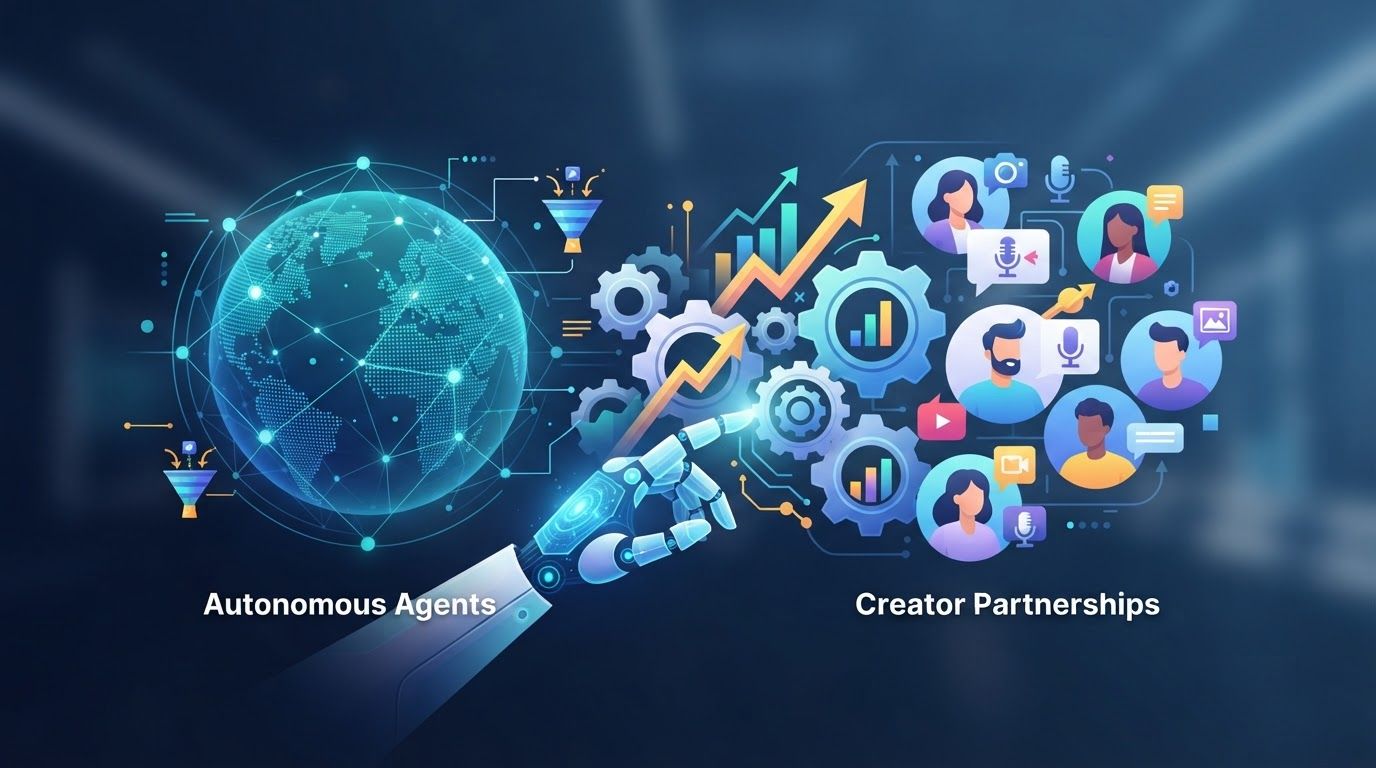
Scaling passive income with autonomous agents and creator partnerships sounds appealing until you face the actual workload: finding the right partners, creating useful offers, tracking referrals, and keeping everything accurate. The practical goal is not to remove people from the business. It is to build an agent-assisted system that handles repeatable work while you and your creator partners make the decisions that earn trust.

For a home-based entrepreneur or affiliate marketer, that system can turn a one-off promotion into a process you can run again. It still takes setup, supervision, and relationship-building, and income is never guaranteed. Start with one offer, one audience, and a small number of well-matched creators; then automate the work you can define, check, and improve.

What does it mean to scale passive income with autonomous agents and creator partnerships?

Use specialized AI agents to help research partners, organize outreach, prepare campaign materials, monitor links, and summarize results. Let human creators provide genuine recommendations, and keep a person responsible for approvals, relationship decisions, and claims about the product.

This is closer to a repeatable, low-touch business process than a hands-free income machine. An autonomous agent can work through several steps toward a defined objective, such as reviewing a list of potential partners against your criteria and preparing a shortlist. A creator partnership gives that process a human connection: someone with an audience can show how an offer fits a real need.

The distinction matters because each component solves a different problem. An agent can reduce the time spent moving information between spreadsheets, drafts, links, and reports. A creator can explain a product in their own voice and respond to their audience. Neither one, by itself, makes an unsuitable offer valuable or an untrusted recommendation persuasive.

The broader market points toward this combined approach, though enterprise findings are not a promise of results for a solo business. Deloitte reports that 75% of surveyed leaders say human collaboration with AI agents creates more value than automation alone. Gartner's analysis of 107 agentic AI deployments suggests that specialized agents offer the strongest return on investment; it predicts that by 2028, 80% of tangible ROI from agentic AI will come from domain-specific agents. Those findings support starting with narrow jobs rather than asking one general agent to run an entire affiliate operation.

Think of passive income as an outcome you work toward, not a setting you switch on. A useful system may continue attracting clicks and earning commissions after a campaign goes live, but someone must maintain links, update outdated content, pay partners when applicable, and protect audience trust. Your first design question is therefore not, How much can I automate? It is, Which recurring tasks can I make reliable enough to delegate?

Choose an offer and audience before you automate outreach

Automation amplifies what you give it. If your offer is poorly matched to the audience, faster partner sourcing simply produces more mismatched pitches. Start by writing down the customer problem, what the product does, who should not buy it, how the affiliate or referral arrangement works, and what evidence supports the claims you intend to make.

For a beginner, one focused offer is easier to manage than a collection of unrelated links. A home-office software affiliate, for example, could target people who need a simpler way to organize client projects. That focus gives an agent clear criteria for finding relevant creators and gives prospective partners a reason to consider the offer beyond the commission.

  • Audience fit: Can the creator explain the problem in terms their viewers already use?
  • Offer fit: Can you show what the product does without promising outcomes it cannot guarantee?
  • Partner economics: Are the commission, payment terms, and any content fees clear enough for both sides to evaluate?
  • Operational fit: Can you provide a working landing page, accurate tracking links, approved product information, and someone to answer questions?

Do not confuse a popular product with a suitable product. An offer that pays well but generates complaints or requires exaggerated claims can damage the partnership that brings you customers. Likewise, a creator may have impressive reach but speak to people who have no use for your offer.

Choose a monetization model you can explain in one sentence. Affiliate commissions may suit an entrepreneur who promotes another company's product. A digital product, subscription, or service referral can work if you own the offer and can deliver it consistently. Recurring commissions or renewals may create income beyond the original campaign when available, but read the program terms before building projections around them.

Finally, set a simple campaign hypothesis: Creators who teach this audience about this specific problem can introduce this offer through a useful demonstration. That hypothesis gives you something to test. Without it, an agent may optimize for available data, such as follower count, instead of the reason a partnership might work.

Build specialized AI agents around small, verifiable jobs

The best first agent is usually the one that removes a bottleneck you already understand. You do not need a fully autonomous marketing department. You need a defined input, a limited set of actions, a review point, and a record of what happened.

Give each agent one operational responsibility

A sourcing agent might collect publicly available creator profiles, summarize their topics, and flag content relevant to your offer. An outreach assistant might draft personalized messages from notes you approved. A campaign-operations agent could check that planned posts have the right links and disclosures. A reporting agent could combine agreed campaign data into a weekly summary for your review.

These are different jobs, even if one software tool can perform several of them. Keeping them separate makes errors easier to spot. You can see whether a bad result came from weak partner criteria, a poor message draft, broken tracking, or a reporting mistake.

  1. Define the task: Describe the output you need, such as a shortlist of creators whose recent content addresses your audience's problem.
  2. Limit the inputs: Specify which sources and documents the agent may use, including your current offer details and approved claims.
  3. Set boundaries: Prohibit unsupported performance claims, unauthorized messages, changes to payment terms, and access to data the task does not require.
  4. Add a human checkpoint: Review the shortlist, outreach draft, or proposed change before it reaches a creator or customer.
  5. Log the result: Record the agent's recommendation, your decision, and any correction so the workflow can improve.

Anthropic's 2026 State of AI Agents Report says 57% of organizations deploy agents for multi-stage workflows and 16% for cross-functional processes; 80% report measurable economic returns. It also identifies data analysis and report generation among high-impact uses beyond engineering. Those organizational results make the workflow worth exploring, but they do not tell a small affiliate business which tool will pay for itself.

Use autonomy in proportion to the cost of a mistake

It is reasonable to let an agent sort internal records or prepare a draft for review. It is much riskier to let it negotiate fees, promise product results, publish an endorsement under a creator's name, or change live links without approval. Higher-stakes actions need tighter permissions and an accountable human decision-maker.

That caution is practical rather than anti-automation. Gartner forecasts substantial growth in AI agent software spending, but it also warns that by the end of 2027, 40% of agentic AI projects could be canceled because of costs, unclear value, or inadequate risk controls. Deloitte reports that only 5% of organizations consider their business processes highly prepared for AI agents. Your advantage as a smaller operator is the ability to simplify a process before automating it.

Find creator partners by relevance, not follower count alone

Once the offer and workflow are clear, look for creators who already help the people you want to reach. Review what they actually publish, how they explain recommendations, and whether your product would fit naturally into a useful post. A good prospect is not simply someone whose audience is large; it is someone who can introduce the offer without changing the nature of their content.

Follower count remains useful context, but it is a weak shortcut for partnership fit. CreatorIQ found that creator earnings still track follower count and views more closely than engagement, while its research questions whether current payment structures and campaign models support lasting partnerships. Sprout Social reports that 50% of companies still use creators primarily for awareness and often lean on follower count as an easy selection proxy. If your goal is qualified referrals, look beyond that proxy.

Sprout Social's 2026 Influencer Marketing Report also found that 60% of Instagram Reels reach audiences where more than 70% of viewers are non-followers. This does not mean every small creator will drive sales. It does mean a follower total cannot fully describe who may see a useful piece of content.

  • Topic alignment: Does the creator regularly discuss the problem your offer addresses, rather than mentioning it once?
  • Audience questions: Do comments reveal genuine interest in the type of solution you provide?
  • Recommendation style: Does the creator explain trade-offs and limitations, or do all promotions sound interchangeable?
  • Format fit: Could the offer be demonstrated in their usual videos, newsletters, tutorials, or posts?
  • Working fit: Can you agree on deliverables, review timing, disclosure, links, and payment without forcing the creator into an unsuitable script?

An agent can help gather examples and organize these observations, but read the work yourself before making contact. It may misinterpret humor, overlook an audience mismatch, or summarize a creator's position inaccurately. A short, specific note about why you think the offer is relevant is more respectful than a mass-produced pitch that only inserts a first name.

Consider the creator's incentives, too. CreatorIQ's August 2026 study found that 67% of creators earn less than $10,000 annually from content creation and, for 62%, it is not their primary source of income. Do not assume that offering exposure or a commission-only deal compensates everyone fairly. Depending on the work involved, a clear content fee, a commission, or a combination may make more sense. The right arrangement depends on your budget and the partner's contribution.

Design an outreach and campaign process creators can trust

Creators are more likely to consider a partnership when they can understand the product, the ask, and the decision they retain. Your first message should be brief and specific: identify the audience problem you share, explain why you thought of them, describe the offer, and invite a conversation. Do not present an agent-generated draft as careful personal research unless you have checked its details.

For example, an agent might prepare notes on a creator's recent tutorial about managing freelance projects and suggest a partnership angle for your project-planning offer. You would verify the tutorial, check the product fit, and then write or approve a message that gives the creator room to decline. That review takes less work than starting from nothing, while avoiding the awkwardness of a fabricated compliment.

Once there is interest, move from a pitch to an operating agreement. It need not be complicated to be clear. Both sides should understand the content format, what the creator may say in their own words, what claims need checking, when work is due, how links or codes will be used, what reporting is available, and how compensation works.

Separate product facts from creative direction

Give creators accurate product information and access to the product when feasible. Encourage an honest demonstration instead of supplying praise they have not earned. If they identify a limitation, discuss it rather than asking them to conceal it. The most sustainable affiliate content helps someone decide whether an offer fits, including when it does not.

Agree on appropriate sponsorship or affiliate disclosures for the channels involved, and check applicable platform rules and legal requirements before publication. Do not ask an agent to strip disclosures because a post seems cleaner without them. The disclosure should be understandable to the audience, and the creator should be comfortable with the recommendation attached to their name.

This is one reason human creator partnerships remain more compelling than trying to replace creators with synthetic personalities. Sprout Social reports that the public remains highly skeptical of synthetic brand partnerships. AI can help with research, briefing, editing support, and logistics, but a generated persona cannot automatically borrow the credibility a person has built with an audience.

You may also find opportunities adjacent to external creators. Sprout Social says 40% of consumers discover new products or services through employee-generated content monthly. If you run a small team or work with people who genuinely use the product, their explanations can complement creator-led campaigns. Treat their contributions with the same attention to accuracy, consent, and clear disclosure where relevant.

Connect creator content to a conversion path you can maintain

A campaign does not become a durable income stream simply because a post stays online. It needs a reliable path from interest to an informed decision: relevant creator content, a working link, a landing page that matches the recommendation, and a way to understand what happens next. Every handoff is a place where confusion can cost trust or a referral.

Start with the destination. If a creator shows how a product solves one specific problem, send people to a page that addresses that problem rather than a generic homepage when you have a suitable option. Explain what the visitor gets, who it is for, any important limits, and what they should do next. Do not turn a thoughtful tutorial into a landing page full of unrelated promises.

Choose a tracking method permitted by the affiliate program or your own systems. Give each partner an approved link or code as appropriate, test it before publication, and keep a record of where it appears. Check whether attribution windows, refunds, recurring payments, and link rules affect how you interpret results. A creator can do good work even when a particular tracking setup cannot capture every influence on a purchase.

An agent can support this path through routine checks. It can compare published URLs with your approved list, flag an unavailable page, draft an update request when product details change, or summarize support questions that recur after a campaign. Review proposed fixes before applying them to live assets, especially if they affect claims or compensation.

  • Before launch: Test links and codes, read the landing page on a phone, confirm product details, and agree on the content approval process.
  • During the campaign: Watch for broken links, confusing customer questions, missing disclosures, and product issues that need a human response.
  • After publication: Record the content URL, campaign terms, partner feedback, and any updates needed to keep the recommendation useful.

Be careful when you add email follow-up or retargeting. These can help people who want more information, but they introduce consent, privacy, and messaging obligations. Begin with the simplest compliant journey you can operate well. Additional automation is valuable only when it improves the visitor's experience or removes a clear bottleneck.

Measure partner value before adding more campaigns

It is tempting to scale the moment a creator post attracts attention. First, decide whether the campaign produced the kind of value you wanted. Views, clicks, qualified inquiries, sales, repeat purchases, and audience feedback answer different questions. Pick measures that match your business model and review them together rather than crowning one number the winner.

Creator marketing has shown strong returns for some brands: CreatorIQ's September 2026 study says 48% of brands report three times or greater ROI from creator marketing, up from 37% the prior year, and creator budgets increased 33% year over year. Those are reports about brands, not a forecast for your next partnership. They make a case for disciplined testing, not for treating every creator campaign as profitable.

Review the economics and the relationship

Track the full cost of a campaign: creator fees, product access, affiliate commissions, tools, creative support, and the time you spend reviewing and resolving issues. Compare that investment with the outcomes you can reasonably attribute, then note what your tracking cannot tell you. A post that answers valuable customer questions may deserve a different judgment from one that generates empty clicks.

Ask the creator what they heard from their audience. Which questions were difficult to answer? What felt natural to demonstrate? Did the offer suit their usual content, or did the campaign require too much explanation? These observations can improve the landing page and the next brief, even if the first campaign was modest.

Use the agent to prepare a concise review rather than to declare success on its own. It can gather link data, identify missing information, and draft a comparison against the campaign goal. You should decide whether to renew, change the creative approach, test another audience, or stop. If your records cannot separate partner performance from broken links or a poor landing page, repair the system before judging the creator.

Build a small learning loop: document the original hypothesis, what was published, what happened, and the next change you will test. Repeating this process turns campaign operations into a reusable asset. Adding partners before you have a way to learn from each one usually creates more administration, not more passive income.

Scale the system without losing reliability or creator goodwill

When one campaign works and the process feels manageable, scale in stages. You might repeat the same offer with another relevant creator, invite a successful partner to create a follow-up piece, or add an agent to handle a specific reporting bottleneck. Change one major variable at a time when you can, so you understand what improved the outcome.

CreatorIQ reports that AI-driven complexity and systems integration are among the biggest challenges to scaling creator programs. That is a useful warning for a home-based business: more automation tools can create more places for partner details, links, claims, and payment terms to disagree. A simple shared record of agreements and campaign status may be more valuable than an elaborate stack no one maintains.

Before expanding, write down who owns each decision. The agent may propose creators and draft reports. You approve outreach, spending, claims, and publication. The creator controls their honest perspective within the partnership terms. If a customer raises a concern, a person takes responsibility for the response.

Protect that division of work with periodic reviews. Check whether your approved product details are current, whether old creator links still work, whether partners have been paid according to agreement, and whether agent permissions still match their tasks. Retire workflows that create more review work than they save. A smaller system that you trust is more scalable than a larger one that requires constant damage control.

There are also sensible alternatives to a full agent setup. If you only have one creator partner, a checklist and a conventional automation tool may be enough. If you do not yet have an offer that converts or a clear audience, spend your effort on those fundamentals first. If creator collaborations are not a fit for your niche, useful educational content and an owned email audience may provide a better starting point. Agents and partnerships are tools for a working strategy, not substitutes for one.

The strongest opportunity is agent-assisted creator partnerships, not fully autonomous monetization. Specialized agents can take repeatable sourcing, preparation, checking, and reporting work off your plate; creators and business owners still supply judgment, accountability, and trust. Keep the workflow small enough to inspect, and expand only when the results and the working relationship justify it.

To begin, choose one audience problem and one offer, outline a single agent-assisted task, and identify a few creators whose existing work genuinely fits. Run a modest campaign, review both its economics and audience feedback, then improve the process before you scale it.

Friday, October 30, 2026

First-party data and privacy-first ads: a playbook for creator revenue

First-party data and privacy-first ads: a playbook for creator revenue

If you rely on affiliate links, sponsorships, or platform payouts, you may be building revenue on audience signals you do not control. First-party data gives you a more durable starting point: information people share directly with your business through an email signup, purchase, membership, survey, or other direct interaction. The opportunity is not to collect as much as possible. It is to use relevant information in ways your audience understands and expects, then turn that trust into better content, partnerships, and offers.

This matters to creators of every size. IAB says U.S. creator ad spend reached $37 billion in 2025 and is expected to reach $44 billion in 2026. At the same time, IAB describes a shift toward first-party data and contextual advertising as privacy constraints reshape digital ads. You do not need an enterprise ad stack to respond. You need a clear reason for people to connect with you directly, a simple system for honoring their choices, and a revenue plan that works even when individual-level tracking is limited.

What first-party data means for creator revenue

First-party data is information you collect through your own relationship with an audience member, rather than buying an audience list or depending entirely on someone else’s tracking. For a home-based creator, it might be an email address submitted for a newsletter, a topic preference selected in a form, a record of a purchase from your own store, or a question someone sends through your website. Each example tells you something different, and each calls for a different level of care.

The distinction is about the relationship and the collection path, not a magic privacy label. A newsletter subscriber who asks for beginner-friendly automation tips has given you a useful content signal. That does not automatically mean they agreed to have their address uploaded into every advertising platform or shared with a sponsor. Good monetization starts by matching each use of data to what you told people and what they reasonably expected.

Direct answer: A privacy-first creator revenue strategy uses audience information gathered through direct, understood interactions to improve content, select relevant offers, and measure results without treating personal data as something to collect or share without limits.

There are several useful categories to separate before you build anything:

  • Contact details: Information such as an email address that lets you maintain a direct relationship.
  • Declared interests: Topics, goals, or preferences a person chooses to share in a form or survey.
  • Relationship history: Interactions with your own products, emails, events, or membership, subject to your notices and settings.
  • Content context: The subject of an article, video, or podcast episode. It can help an advertiser choose a placement without identifying an individual viewer.

Those categories are useful because creator income has multiple paths. EMARKETER says sponsored content will account for the largest share of creator revenue in 2026, followed by platform payouts and affiliate marketing. A creator who knows which topics attract sustained interest can make a stronger case to a relevant sponsor, recommend a better-matched affiliate product, or decide what to make next. The value lies in a clearer understanding of audience needs, not in accumulating identifiers for their own sake.

Direct relationships can also reduce dependence on any single platform’s distribution. An email list or membership gives you a way to reach people who chose to hear from you, while platform channels still help new people discover your work. Neither replaces the other: owned channels require ongoing service and list maintenance, while platform channels offer reach but control much of the discovery and ad environment.

Build an audience relationship people want to opt into

Before choosing a signup tool, answer a more basic question: why would someone give you their information? For an affiliate marketer, the answer might be a useful comparison checklist, a weekly roundup of tools you have evaluated, or a short course that helps readers finish a specific task. A vague promise of updates rarely explains the exchange as well as a concrete benefit.

Start with the smallest data request that supports that benefit. If you are sending an email series, an email address may be enough. If you want readers to choose between beginner and intermediate tutorials, one optional preference question may help. Asking for a phone number, location, and business revenue when none of those details improve the experience adds friction and creates more information to protect.

Make the expectation clear at the point of signup

Tell people what they will receive, how often you intend to contact them, and whether their choices affect the content or promotions they see. Give them a practical way to change preferences or leave. The exact notices and consent requirements depend on where you operate and which tools you use, so review the rules that apply to your business before collecting or activating audience data.

IAB and Talk Shoppe’s 2025 consumer privacy research found that people are more comfortable sharing data with sites and apps they like, use often, and trust when the use feels approved and expected. That finding supports a straightforward creator practice: make your request understandable before you ask for trust. It does not mean every subscriber will welcome every use of their data.

  1. Choose one audience promise. Name the problem your signup helps solve, such as selecting a first automation tool without paying for unnecessary features.
  2. Collect only what serves that promise. Put optional questions behind a clear reason, rather than making every field mandatory.
  3. Record the signup context. Keep track of the form, offer, and notice associated with a subscription so your team can understand what the person expected.
  4. Give subscribers control. Make unsubscribe and preference options easy to find, and handle requests consistently across connected tools.
  5. Review access. Limit who can download lists or connect audience data to ad platforms, especially as you add contractors and automation.

A simple welcome email is a useful check on this system. It can restate why someone is hearing from you, deliver what you promised, and invite a reply about their most pressing question. Those replies may reveal content opportunities that a complicated tracking setup would miss. If you automate the sequence, read the replies and revisit the messages; a set-and-forget funnel can drift away from what your audience actually needs.

Trust is also a revenue consideration. EMARKETER reports that 69% of U.S. consumers abandoned a transaction because they were concerned about how a brand used their data. That figure is not a forecast for your conversion rate, but it is a reminder that an unclear data practice can undermine an otherwise relevant offer. A smaller list built on clear expectations may be more useful than a larger one whose members cannot remember signing up.

Choose privacy-first ads that fit your content and audience

Privacy-first advertising is not limited to targeting people by a stored profile. Contextual advertising matches an offer to the subject or setting of the content. A tutorial about starting a home office, for example, could make room for a relevant software sponsor without requiring the sponsor to know the identity of each reader. That is an editorial decision as much as an ad decision: the placement should serve the topic rather than interrupt it.

First-party signals can still improve the choice of content and offers. If subscribers voluntarily select interests such as email marketing or AI workflows, you can use those preferences to plan separate newsletter editions or recommend a more relevant resource within the scope of what you disclosed. The goal is useful segmentation, not the smallest possible audience slice. When a segment becomes too narrow, it can be harder to manage responsibly and harder to tell whether performance differences are meaningful.

Think of your options as a ladder, starting with the least complex:

  • Contextual placements: Match a sponsor or affiliate offer to a relevant article, video, newsletter issue, or podcast segment.
  • Subscriber-selected topics: Let people choose the categories they want, then tailor your own content and offers accordingly.
  • Platform-supported activation: Use a platform’s creator ad tools when the format, permissions, and reporting meet your needs.
  • Privacy-preserving collaboration: Consider tools such as data clean rooms only when the audience, partner, resources, and governance justify the complexity.

IAB’s 2026 privacy analysis points to first-party data, contextual advertising, and data clean rooms as approaches brands are exploring. They are not interchangeable. Contextual advertising can work with little audience data, while a clean room is designed for controlled collaboration between parties with data and a defined measurement question. IAB’s outlook study says large media spenders are twice as likely as small spenders to focus on clean rooms, which is a useful sign that most solo creators should not treat one as a starting requirement.

Google says first-party IDs can replace key functions historically provided by third-party cookies and device IDs while protecting user privacy. That is a statement about what certain advertising systems can support, not permission to create an identifier for every use you can imagine. For a smaller creator business, the immediate decision is often simpler: can the campaign be relevant because of the content, a subscriber’s stated preference, or an approved platform workflow? If so, you may not need a more elaborate data arrangement.

Keep editorial trust separate from ad targeting. A brand may want access to a valuable audience, but relevance does not guarantee fit. Check whether the product suits your readers, whether the claim is supportable, and how you will disclose a paid relationship. A well-matched placement can support revenue; an intrusive or misleading one can weaken the direct relationship that makes your audience valuable in the first place.

Turn audience insight into sponsorships, affiliate sales, and owned offers

Audience data earns its place in your business when it helps you make better decisions. Before approaching a sponsor, look for patterns you can describe without exposing individual subscribers: recurring questions, popular content themes, survey responses in aggregate, and the kinds of problems readers are trying to solve. Then build a proposal around a specific content idea rather than promising access to a list of people.

For sponsorships, sell a credible fit

A sponsor pitch could explain who your content serves, what topic the placement will address, which format you propose, and what outcomes you can report. You might offer a clearly labeled newsletter sponsorship, a dedicated tutorial, or a short video integration. Explain what you will and will not share in the report. If a brand asks for subscriber-level records that you have no basis to provide, offer an aggregate report or a different campaign structure instead.

IAB’s creator economy report says creator ad spend grew four times faster than the total media industry in 2025. Increased spending can create opportunities, but it also means buyers may expect clearer planning and measurement. A creator does not have to imitate a large publisher to respond. A concise media kit with audience focus, content examples, placement options, and reporting boundaries can make a partnership easier to evaluate.

For affiliate marketing, improve the recommendation path

Affiliate income depends on more than putting a link beside a product name. Use the questions people ask you to create comparisons, setup walkthroughs, and explanations of who a tool is not for. If readers repeatedly ask whether an automation product fits a one-person business, answer that question directly before presenting an affiliate option. A declared preference can help you send the right guide to the right subscriber, but the guide still has to stand on its own merits.

Track the content and link placement that generated an affiliate click when your tools and agreements allow it. You do not need to identify every visitor to learn that a detailed tutorial performs differently from a general roundup. Be clear about affiliate relationships, and avoid making a recommendation sound like independent advice if compensation could influence it. Long-term creator revenue depends on people believing you will point out a product’s limitations as readily as its benefits.

For owned products, listen before expanding

Courses, templates, memberships, and services offer another route when a problem calls for more than an ad or affiliate product. Direct audience questions can help you identify what to build, while a small interest survey can test whether people want a beginner guide or hands-on help. A response is a signal, not a guaranteed sale. Keep early offers narrow enough to deliver well before investing in a large catalog.

Different channels can support different relationships. EMARKETER says podcast creator revenue is growing faster than every social media creator revenue stream. That does not mean every creator should start a podcast; production demands and audience habits matter. It does illustrate why an audience relationship can extend across formats, from a search-friendly article to an email conversation to a recurring show, with each format offering a different way to earn attention and revenue.

Measure results without promising impossible attribution

A privacy-first campaign still needs measurement. What changes is the question you ask of the data. Instead of trying to follow every person across every site and device, decide what evidence would help you repeat, improve, or stop a campaign. A small creator might start with content engagement, newsletter signups, qualified affiliate clicks, sponsor inquiries, and sales they can reasonably connect to a specific offer.

Set the measurement plan before a placement goes live. A sponsor may care about views and clicks, while you may also care whether the content brought in subscribers who stayed engaged. Those are different outcomes. Agreeing on them early prevents a report from becoming a search for whichever number looks best after the campaign ends.

  1. Define the campaign question. For example: did a relevant tutorial drive useful traffic to a partner’s offer, or did a newsletter placement produce qualified interest?
  2. Choose a few appropriate indicators. Use metrics your publishing, email, affiliate, or sales tools can actually support, and define what each metric counts.
  3. Use clear campaign links where appropriate. Separate placements so you can compare a newsletter mention with a website article without requiring an identity graph.
  4. Review quality as well as volume. Look at the responses, questions, or downstream actions available to you; a large click count alone may not indicate a good match.
  5. Report the limits. Distinguish directly observed results from estimates and avoid claiming that one placement caused every later sale.

Creator ad platforms are offering more signals to buyers. Google says YouTube Creator Partnerships is available in Google Ads and Display & Video 360, letting advertisers discover creators and activate creator-driven ads in performance campaigns. Digiday reported that YouTube’s Creator Partnerships API opens creator performance data to select third-party ad tech companies. Such tools can make activation more measurable, but creators should still understand which metrics a partner can see and how those metrics will be interpreted.

Retail media partnerships add another possible layer. Digiday has reported that agencies are connecting purchase data with creator campaigns to improve sales attribution. That can help a buyer evaluate a campaign, but attribution arrangements vary and may not capture the full effect of someone seeing a creator’s work and purchasing later. Ask what data is used, who controls it, and whether the proposed report answers a decision you actually need to make.

For your own business, keep a short learning log after each promotion: the audience problem, the offer, the placement, what you observed, and what you would change. Over time, that record can reveal which topics produce valuable partnerships and which promotions attract attention without serving your readers. It also gives you evidence for future pitches without requiring you to hand over raw audience data.

Use platform creator ad tools without surrendering your standards

Platforms can help creators turn existing content into advertiser-ready placements. TikTok says its Content Suite surfaces branded creator content using first-party historical ad performance data alongside content, creator, sentiment, and organic metrics. It also says the suite includes filters for brand safety, creator age, and ad appropriateness. The practical lesson is that performance signals alone are not enough: a usable ad workflow also needs permissions, suitability checks, and clear ownership of decisions.

TikTok describes TikTok One Content Suite as a way for advertisers to find organic content mentioning a brand and amplify suitable user-generated content as Spark Ads. Its ShopMy partnership post says the Content Suite API can help brands turn strong affiliate creator content into Spark Ads. If a brand proposes amplifying your post, discuss the scope of use before agreeing: which creative can be used, for how long, in what context, and under which approval process? A post that worked organically is not automatically appropriate for every paid campaign.

TikTok says Spark Ads delivered a 134% higher completion rate and a 157% higher six-second view-through rate than standard In-Feed Ads. Those are platform-reported format comparisons, not a promise that your next sponsored post will achieve the same result or generate more sales. Use such figures to understand why an advertiser may value creator content, then judge your own work against its agreed goals and your audience’s response.

Google says it is using AI to better understand content and audiences and match brands with creator communities likely to welcome their products. That may improve discovery, but it does not remove the need for a creator to review the brand, offer, creative, and terms. Google’s 2026 ad-privacy updates also emphasize transparency in AI-assisted ads, including a panel explaining how an ad was made and disclosures when generative AI creates or alters it. If you use AI to help draft or produce ad creative, make sure your process preserves accurate claims and meets the platform’s disclosure requirements.

  • Check the rights: Clarify permission to reuse, edit, and promote creator content.
  • Check the fit: Review the landing page, product claims, and audience relevance before approving amplification.
  • Check the data flow: Understand what the platform and brand receive, rather than assuming a familiar interface means a familiar use of data.
  • Check the disclosure: Make the commercial relationship clear wherever the content appears.

Meta says personalized ads help people discover relevant content and keep its services free. Its June 2026 privacy update says it will use information businesses already share to better personalize ads and non-ad content, while saying it is not collecting new data for that change. For creators, the point is to read platform settings and business-tool terms carefully: data you already send through an integration may support more than one platform experience, even when no new collection is announced.

Automate the workflow without automating away trust

AI and automation can make a small creator operation more consistent. They can tag incoming questions by topic, draft outlines from recurring themes, remind you to review an expiring sponsor placement, or assemble an internal campaign report. These are useful jobs because they reduce repetitive work while leaving judgment about audience needs, claims, and permissions with you.

Begin with a data map before connecting tools. List where a subscriber signs up, which service stores their details, which automations receive them, and whether any advertising platform gets a copy or derived audience. A diagram is optional; a simple written inventory is enough to expose a forgotten integration. Revisit it when you switch email providers, add a membership, or let an assistant work in your accounts.

Give AI tools a narrow job and review their output

An AI assistant can summarize anonymized themes from audience questions or suggest several article angles from your own notes. It should not be given a raw subscriber export by default just because uploading it seems convenient. Remove details that are not needed for the task, check the tool’s terms and settings, and have a person review anything that becomes a public claim or a message to subscribers. Automation speeds a workflow; it does not establish that the underlying data use is appropriate.

Advertising products also set their own boundaries. OpenAI’s ad tools terms require audience data to be first-party, rather than purchased from data brokers or marketplaces, and call for appropriate notices, consents, and legal bases for its collection and use. OpenAI also says conversations in ChatGPT are kept private from advertisers and are never sold to them. These policies illustrate that even when an ad environment supports personalization, access to someone’s private interaction is not a default creator benefit.

Build a small approval step into any automated promotion. Before an affiliate email or sponsored post goes out, check that the offer is current, the link works, the disclosure is present, the audience selection matches what subscribers chose, and the copy does not overstate results. That review may take less time than repairing a confusing campaign after it reaches your list.

Finally, automate offboarding as carefully as onboarding. When someone unsubscribes or changes a preference, the change should flow to the connected systems that rely on it. Test that process with your own accounts rather than assuming every integration updates in both directions. A dependable exit is part of a dependable relationship, especially when you are operating several channels from one home-based business.

A practical first-party data playbook to start small

You do not need to rebuild your business around a complicated ad system. Start with one audience need, one direct channel, and one revenue experiment. The following sequence is designed to produce a useful decision, not a promise of immediate growth:

  1. Choose a focused audience problem. Identify a question you can answer better than a generic search result, such as how a beginner can choose between two types of email automation. Write down who the answer is for and who it is not for.
  2. Create a useful opt-in. Offer a checklist, short email series, or resource that directly helps with that problem. Explain what subscribers will receive and ask only for information needed to deliver it.
  3. Publish a connected piece of content. Make an article, video, or podcast segment that answers the main question on its own. Use the opt-in as a helpful next step, not as a gate that hides the answer.
  4. Choose one monetization route. Test a clearly disclosed affiliate recommendation, a relevant sponsorship proposal, or a small owned offer. Select the route that genuinely fits the audience problem instead of forcing all three into the same piece.
  5. Decide what success would teach you. Identify a few indicators you can observe responsibly, such as signup quality, useful replies, affiliate clicks, or inquiries about an offer. Note what those indicators cannot prove.
  6. Review and adjust. Read audience responses, check the experience on a phone, inspect the data flows, and revise the content or offer. Keep the lesson even if the first promotion does not perform as hoped.

For example, a creator teaching home-office productivity could publish a guide to choosing a simple task-management setup. Readers who want follow-up tips could join an email series and optionally select whether they are most interested in planning, automation, or collaboration. The creator could then consider a relevant affiliate tutorial or sponsor for a specific guide. This is a hypothetical workflow, not a performance claim; its strength is that the content, signup, and offer all serve the same reader question.

If you already have an audience, audit what you have before adding a new form. Ask which subscriber fields you actually use, whether your notices describe your current workflows, whether outdated integrations still have access, and which content themes prompt the most useful engagement. Removing an unnecessary field or disconnecting an unused app may do more for a privacy-first setup than buying another analytics product.

As the business grows, you can add sophistication where it answers a real question. A sponsor might request stronger aggregate reporting, a platform campaign may require specific creative permissions, or a larger partner may propose a privacy-preserving collaboration. Evaluate each addition against the audience relationship you have built. If you cannot explain its benefit and data use plainly, pause before making it part of your standard workflow.

First-party data is most valuable when it represents a relationship your audience chose, not merely another collection method. Pair it with contextual ads, honest affiliate recommendations, useful owned products, and measurement that reflects what you can actually observe. Platform tools and AI can expand your options, but they work best when your content, permissions, and judgment remain clear.

Pick one existing piece of content this week and trace the full reader path: what they learn, what you ask them to share, what they receive next, and how any offer fits. Improve the weakest step before adding more technology. That is a manageable way to build creator revenue that can grow without asking your audience to trade away its trust.

Check Out The Latest Featured Post That You Might Like!

How creators use agentic assistants to build repeatable revenue

Posting more content does not automatically create steadier income. Agentic assistants can help creators build repeatable revenue when they...