Saturday, October 31, 2026

Scale passive income with autonomous agents and creator partnerships

Scale passive income with autonomous agents and creator partnerships

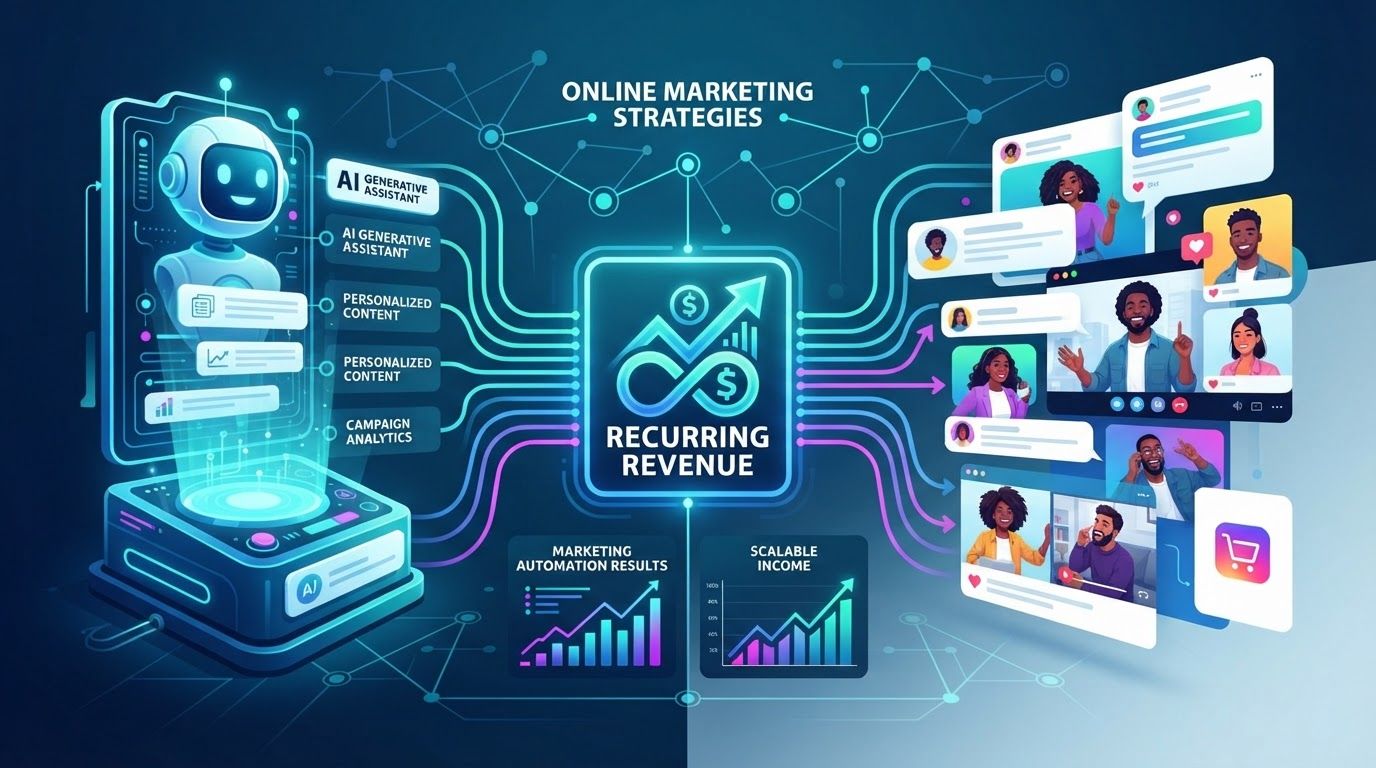
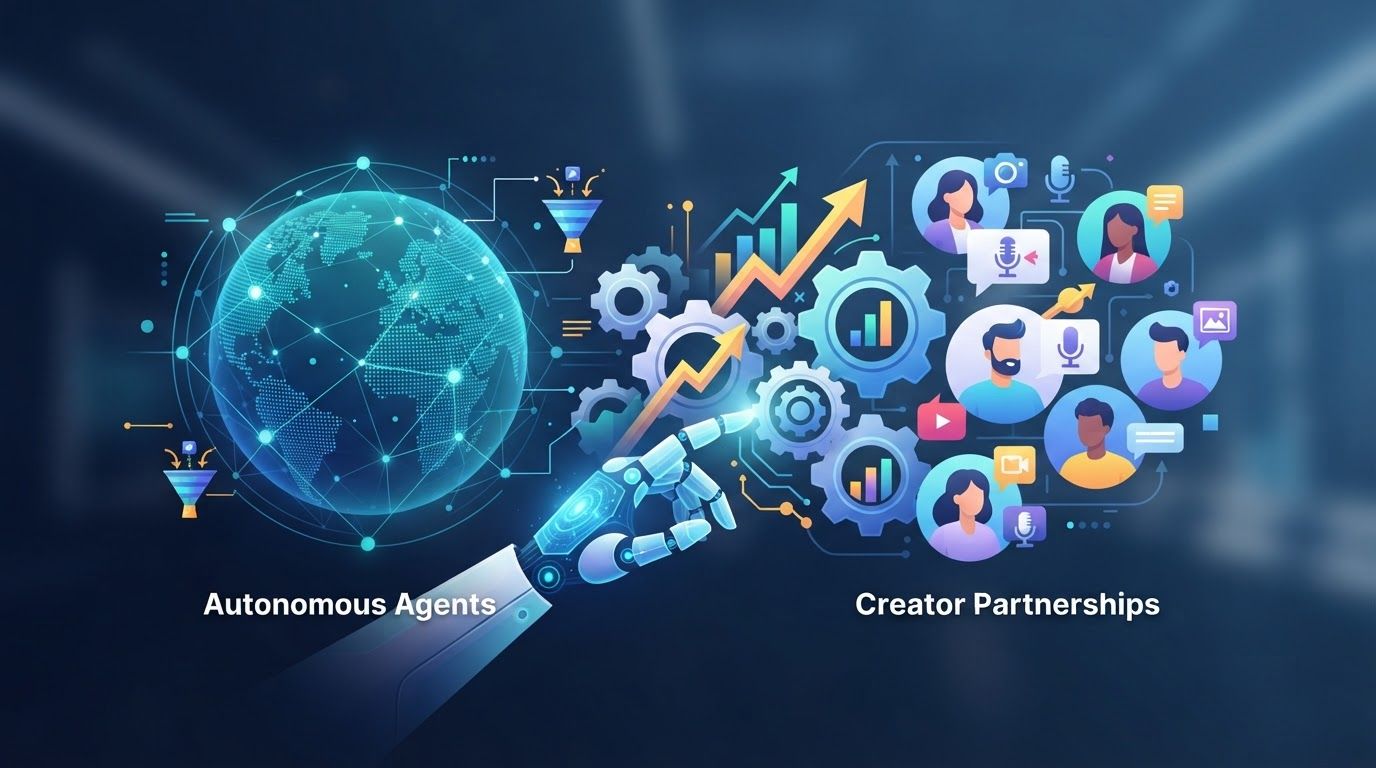
Scaling passive income with autonomous agents and creator partnerships sounds appealing until you face the actual workload: finding the right partners, creating useful offers, tracking referrals, and keeping everything accurate. The practical goal is not to remove people from the business. It is to build an agent-assisted system that handles repeatable work while you and your creator partners make the decisions that earn trust.

For a home-based entrepreneur or affiliate marketer, that system can turn a one-off promotion into a process you can run again. It still takes setup, supervision, and relationship-building, and income is never guaranteed. Start with one offer, one audience, and a small number of well-matched creators; then automate the work you can define, check, and improve.

What does it mean to scale passive income with autonomous agents and creator partnerships?

Use specialized AI agents to help research partners, organize outreach, prepare campaign materials, monitor links, and summarize results. Let human creators provide genuine recommendations, and keep a person responsible for approvals, relationship decisions, and claims about the product.

This is closer to a repeatable, low-touch business process than a hands-free income machine. An autonomous agent can work through several steps toward a defined objective, such as reviewing a list of potential partners against your criteria and preparing a shortlist. A creator partnership gives that process a human connection: someone with an audience can show how an offer fits a real need.

The distinction matters because each component solves a different problem. An agent can reduce the time spent moving information between spreadsheets, drafts, links, and reports. A creator can explain a product in their own voice and respond to their audience. Neither one, by itself, makes an unsuitable offer valuable or an untrusted recommendation persuasive.

The broader market points toward this combined approach, though enterprise findings are not a promise of results for a solo business. Deloitte reports that 75% of surveyed leaders say human collaboration with AI agents creates more value than automation alone. Gartner's analysis of 107 agentic AI deployments suggests that specialized agents offer the strongest return on investment; it predicts that by 2028, 80% of tangible ROI from agentic AI will come from domain-specific agents. Those findings support starting with narrow jobs rather than asking one general agent to run an entire affiliate operation.

Think of passive income as an outcome you work toward, not a setting you switch on. A useful system may continue attracting clicks and earning commissions after a campaign goes live, but someone must maintain links, update outdated content, pay partners when applicable, and protect audience trust. Your first design question is therefore not, How much can I automate? It is, Which recurring tasks can I make reliable enough to delegate?

Choose an offer and audience before you automate outreach

Automation amplifies what you give it. If your offer is poorly matched to the audience, faster partner sourcing simply produces more mismatched pitches. Start by writing down the customer problem, what the product does, who should not buy it, how the affiliate or referral arrangement works, and what evidence supports the claims you intend to make.

For a beginner, one focused offer is easier to manage than a collection of unrelated links. A home-office software affiliate, for example, could target people who need a simpler way to organize client projects. That focus gives an agent clear criteria for finding relevant creators and gives prospective partners a reason to consider the offer beyond the commission.

  • Audience fit: Can the creator explain the problem in terms their viewers already use?
  • Offer fit: Can you show what the product does without promising outcomes it cannot guarantee?
  • Partner economics: Are the commission, payment terms, and any content fees clear enough for both sides to evaluate?
  • Operational fit: Can you provide a working landing page, accurate tracking links, approved product information, and someone to answer questions?

Do not confuse a popular product with a suitable product. An offer that pays well but generates complaints or requires exaggerated claims can damage the partnership that brings you customers. Likewise, a creator may have impressive reach but speak to people who have no use for your offer.

Choose a monetization model you can explain in one sentence. Affiliate commissions may suit an entrepreneur who promotes another company's product. A digital product, subscription, or service referral can work if you own the offer and can deliver it consistently. Recurring commissions or renewals may create income beyond the original campaign when available, but read the program terms before building projections around them.

Finally, set a simple campaign hypothesis: Creators who teach this audience about this specific problem can introduce this offer through a useful demonstration. That hypothesis gives you something to test. Without it, an agent may optimize for available data, such as follower count, instead of the reason a partnership might work.

Build specialized AI agents around small, verifiable jobs

The best first agent is usually the one that removes a bottleneck you already understand. You do not need a fully autonomous marketing department. You need a defined input, a limited set of actions, a review point, and a record of what happened.

Give each agent one operational responsibility

A sourcing agent might collect publicly available creator profiles, summarize their topics, and flag content relevant to your offer. An outreach assistant might draft personalized messages from notes you approved. A campaign-operations agent could check that planned posts have the right links and disclosures. A reporting agent could combine agreed campaign data into a weekly summary for your review.

These are different jobs, even if one software tool can perform several of them. Keeping them separate makes errors easier to spot. You can see whether a bad result came from weak partner criteria, a poor message draft, broken tracking, or a reporting mistake.

  1. Define the task: Describe the output you need, such as a shortlist of creators whose recent content addresses your audience's problem.
  2. Limit the inputs: Specify which sources and documents the agent may use, including your current offer details and approved claims.
  3. Set boundaries: Prohibit unsupported performance claims, unauthorized messages, changes to payment terms, and access to data the task does not require.
  4. Add a human checkpoint: Review the shortlist, outreach draft, or proposed change before it reaches a creator or customer.
  5. Log the result: Record the agent's recommendation, your decision, and any correction so the workflow can improve.

Anthropic's 2026 State of AI Agents Report says 57% of organizations deploy agents for multi-stage workflows and 16% for cross-functional processes; 80% report measurable economic returns. It also identifies data analysis and report generation among high-impact uses beyond engineering. Those organizational results make the workflow worth exploring, but they do not tell a small affiliate business which tool will pay for itself.

Use autonomy in proportion to the cost of a mistake

It is reasonable to let an agent sort internal records or prepare a draft for review. It is much riskier to let it negotiate fees, promise product results, publish an endorsement under a creator's name, or change live links without approval. Higher-stakes actions need tighter permissions and an accountable human decision-maker.

That caution is practical rather than anti-automation. Gartner forecasts substantial growth in AI agent software spending, but it also warns that by the end of 2027, 40% of agentic AI projects could be canceled because of costs, unclear value, or inadequate risk controls. Deloitte reports that only 5% of organizations consider their business processes highly prepared for AI agents. Your advantage as a smaller operator is the ability to simplify a process before automating it.

Find creator partners by relevance, not follower count alone

Once the offer and workflow are clear, look for creators who already help the people you want to reach. Review what they actually publish, how they explain recommendations, and whether your product would fit naturally into a useful post. A good prospect is not simply someone whose audience is large; it is someone who can introduce the offer without changing the nature of their content.

Follower count remains useful context, but it is a weak shortcut for partnership fit. CreatorIQ found that creator earnings still track follower count and views more closely than engagement, while its research questions whether current payment structures and campaign models support lasting partnerships. Sprout Social reports that 50% of companies still use creators primarily for awareness and often lean on follower count as an easy selection proxy. If your goal is qualified referrals, look beyond that proxy.

Sprout Social's 2026 Influencer Marketing Report also found that 60% of Instagram Reels reach audiences where more than 70% of viewers are non-followers. This does not mean every small creator will drive sales. It does mean a follower total cannot fully describe who may see a useful piece of content.

  • Topic alignment: Does the creator regularly discuss the problem your offer addresses, rather than mentioning it once?
  • Audience questions: Do comments reveal genuine interest in the type of solution you provide?
  • Recommendation style: Does the creator explain trade-offs and limitations, or do all promotions sound interchangeable?
  • Format fit: Could the offer be demonstrated in their usual videos, newsletters, tutorials, or posts?
  • Working fit: Can you agree on deliverables, review timing, disclosure, links, and payment without forcing the creator into an unsuitable script?

An agent can help gather examples and organize these observations, but read the work yourself before making contact. It may misinterpret humor, overlook an audience mismatch, or summarize a creator's position inaccurately. A short, specific note about why you think the offer is relevant is more respectful than a mass-produced pitch that only inserts a first name.

Consider the creator's incentives, too. CreatorIQ's August 2026 study found that 67% of creators earn less than $10,000 annually from content creation and, for 62%, it is not their primary source of income. Do not assume that offering exposure or a commission-only deal compensates everyone fairly. Depending on the work involved, a clear content fee, a commission, or a combination may make more sense. The right arrangement depends on your budget and the partner's contribution.

Design an outreach and campaign process creators can trust

Creators are more likely to consider a partnership when they can understand the product, the ask, and the decision they retain. Your first message should be brief and specific: identify the audience problem you share, explain why you thought of them, describe the offer, and invite a conversation. Do not present an agent-generated draft as careful personal research unless you have checked its details.

For example, an agent might prepare notes on a creator's recent tutorial about managing freelance projects and suggest a partnership angle for your project-planning offer. You would verify the tutorial, check the product fit, and then write or approve a message that gives the creator room to decline. That review takes less work than starting from nothing, while avoiding the awkwardness of a fabricated compliment.

Once there is interest, move from a pitch to an operating agreement. It need not be complicated to be clear. Both sides should understand the content format, what the creator may say in their own words, what claims need checking, when work is due, how links or codes will be used, what reporting is available, and how compensation works.

Separate product facts from creative direction

Give creators accurate product information and access to the product when feasible. Encourage an honest demonstration instead of supplying praise they have not earned. If they identify a limitation, discuss it rather than asking them to conceal it. The most sustainable affiliate content helps someone decide whether an offer fits, including when it does not.

Agree on appropriate sponsorship or affiliate disclosures for the channels involved, and check applicable platform rules and legal requirements before publication. Do not ask an agent to strip disclosures because a post seems cleaner without them. The disclosure should be understandable to the audience, and the creator should be comfortable with the recommendation attached to their name.

This is one reason human creator partnerships remain more compelling than trying to replace creators with synthetic personalities. Sprout Social reports that the public remains highly skeptical of synthetic brand partnerships. AI can help with research, briefing, editing support, and logistics, but a generated persona cannot automatically borrow the credibility a person has built with an audience.

You may also find opportunities adjacent to external creators. Sprout Social says 40% of consumers discover new products or services through employee-generated content monthly. If you run a small team or work with people who genuinely use the product, their explanations can complement creator-led campaigns. Treat their contributions with the same attention to accuracy, consent, and clear disclosure where relevant.

Connect creator content to a conversion path you can maintain

A campaign does not become a durable income stream simply because a post stays online. It needs a reliable path from interest to an informed decision: relevant creator content, a working link, a landing page that matches the recommendation, and a way to understand what happens next. Every handoff is a place where confusion can cost trust or a referral.

Start with the destination. If a creator shows how a product solves one specific problem, send people to a page that addresses that problem rather than a generic homepage when you have a suitable option. Explain what the visitor gets, who it is for, any important limits, and what they should do next. Do not turn a thoughtful tutorial into a landing page full of unrelated promises.

Choose a tracking method permitted by the affiliate program or your own systems. Give each partner an approved link or code as appropriate, test it before publication, and keep a record of where it appears. Check whether attribution windows, refunds, recurring payments, and link rules affect how you interpret results. A creator can do good work even when a particular tracking setup cannot capture every influence on a purchase.

An agent can support this path through routine checks. It can compare published URLs with your approved list, flag an unavailable page, draft an update request when product details change, or summarize support questions that recur after a campaign. Review proposed fixes before applying them to live assets, especially if they affect claims or compensation.

  • Before launch: Test links and codes, read the landing page on a phone, confirm product details, and agree on the content approval process.
  • During the campaign: Watch for broken links, confusing customer questions, missing disclosures, and product issues that need a human response.
  • After publication: Record the content URL, campaign terms, partner feedback, and any updates needed to keep the recommendation useful.

Be careful when you add email follow-up or retargeting. These can help people who want more information, but they introduce consent, privacy, and messaging obligations. Begin with the simplest compliant journey you can operate well. Additional automation is valuable only when it improves the visitor's experience or removes a clear bottleneck.

Measure partner value before adding more campaigns

It is tempting to scale the moment a creator post attracts attention. First, decide whether the campaign produced the kind of value you wanted. Views, clicks, qualified inquiries, sales, repeat purchases, and audience feedback answer different questions. Pick measures that match your business model and review them together rather than crowning one number the winner.

Creator marketing has shown strong returns for some brands: CreatorIQ's September 2026 study says 48% of brands report three times or greater ROI from creator marketing, up from 37% the prior year, and creator budgets increased 33% year over year. Those are reports about brands, not a forecast for your next partnership. They make a case for disciplined testing, not for treating every creator campaign as profitable.

Review the economics and the relationship

Track the full cost of a campaign: creator fees, product access, affiliate commissions, tools, creative support, and the time you spend reviewing and resolving issues. Compare that investment with the outcomes you can reasonably attribute, then note what your tracking cannot tell you. A post that answers valuable customer questions may deserve a different judgment from one that generates empty clicks.

Ask the creator what they heard from their audience. Which questions were difficult to answer? What felt natural to demonstrate? Did the offer suit their usual content, or did the campaign require too much explanation? These observations can improve the landing page and the next brief, even if the first campaign was modest.

Use the agent to prepare a concise review rather than to declare success on its own. It can gather link data, identify missing information, and draft a comparison against the campaign goal. You should decide whether to renew, change the creative approach, test another audience, or stop. If your records cannot separate partner performance from broken links or a poor landing page, repair the system before judging the creator.

Build a small learning loop: document the original hypothesis, what was published, what happened, and the next change you will test. Repeating this process turns campaign operations into a reusable asset. Adding partners before you have a way to learn from each one usually creates more administration, not more passive income.

Scale the system without losing reliability or creator goodwill

When one campaign works and the process feels manageable, scale in stages. You might repeat the same offer with another relevant creator, invite a successful partner to create a follow-up piece, or add an agent to handle a specific reporting bottleneck. Change one major variable at a time when you can, so you understand what improved the outcome.

CreatorIQ reports that AI-driven complexity and systems integration are among the biggest challenges to scaling creator programs. That is a useful warning for a home-based business: more automation tools can create more places for partner details, links, claims, and payment terms to disagree. A simple shared record of agreements and campaign status may be more valuable than an elaborate stack no one maintains.

Before expanding, write down who owns each decision. The agent may propose creators and draft reports. You approve outreach, spending, claims, and publication. The creator controls their honest perspective within the partnership terms. If a customer raises a concern, a person takes responsibility for the response.

Protect that division of work with periodic reviews. Check whether your approved product details are current, whether old creator links still work, whether partners have been paid according to agreement, and whether agent permissions still match their tasks. Retire workflows that create more review work than they save. A smaller system that you trust is more scalable than a larger one that requires constant damage control.

There are also sensible alternatives to a full agent setup. If you only have one creator partner, a checklist and a conventional automation tool may be enough. If you do not yet have an offer that converts or a clear audience, spend your effort on those fundamentals first. If creator collaborations are not a fit for your niche, useful educational content and an owned email audience may provide a better starting point. Agents and partnerships are tools for a working strategy, not substitutes for one.

The strongest opportunity is agent-assisted creator partnerships, not fully autonomous monetization. Specialized agents can take repeatable sourcing, preparation, checking, and reporting work off your plate; creators and business owners still supply judgment, accountability, and trust. Keep the workflow small enough to inspect, and expand only when the results and the working relationship justify it.

To begin, choose one audience problem and one offer, outline a single agent-assisted task, and identify a few creators whose existing work genuinely fits. Run a modest campaign, review both its economics and audience feedback, then improve the process before you scale it.

Friday, October 30, 2026

First-party data and privacy-first ads: a playbook for creator revenue

First-party data and privacy-first ads: a playbook for creator revenue

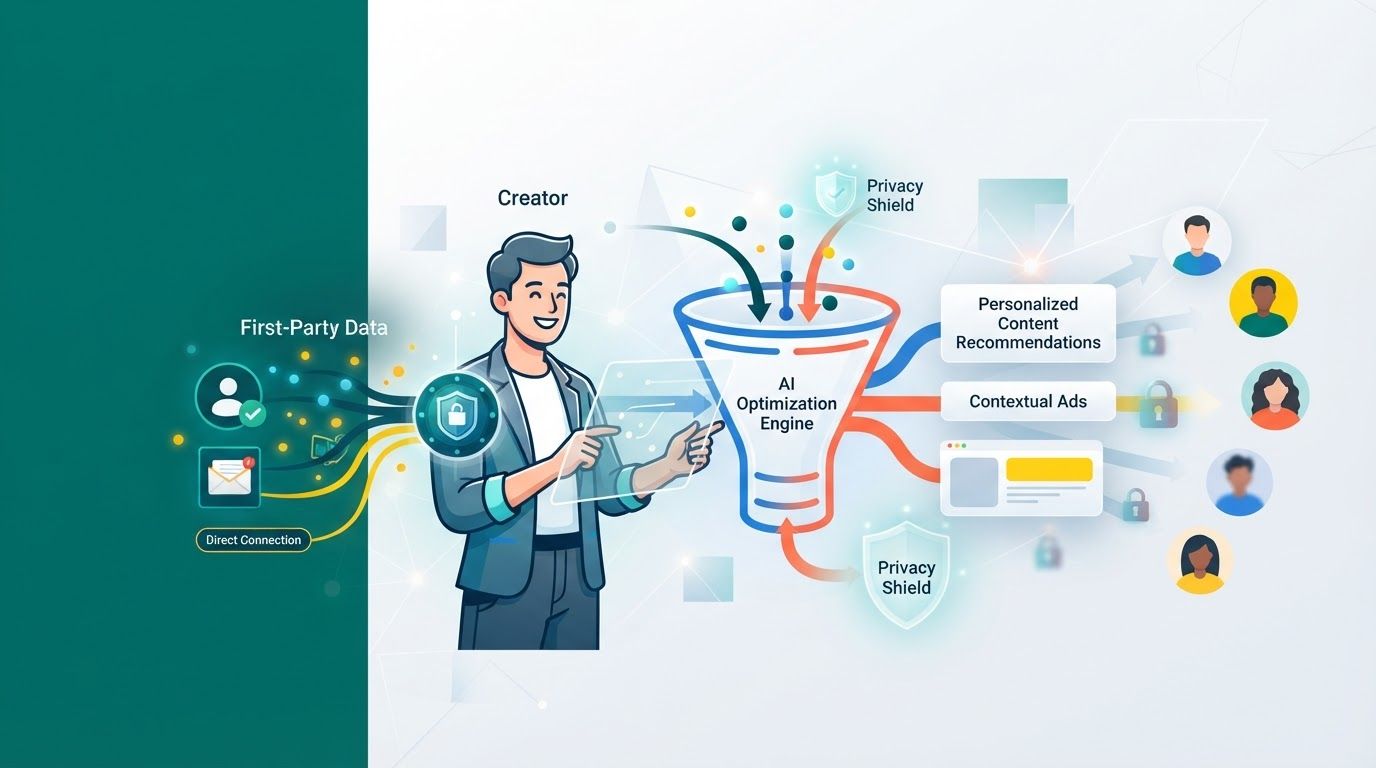
If you rely on affiliate links, sponsorships, or platform payouts, you may be building revenue on audience signals you do not control. First-party data gives you a more durable starting point: information people share directly with your business through an email signup, purchase, membership, survey, or other direct interaction. The opportunity is not to collect as much as possible. It is to use relevant information in ways your audience understands and expects, then turn that trust into better content, partnerships, and offers.

This matters to creators of every size. IAB says U.S. creator ad spend reached $37 billion in 2025 and is expected to reach $44 billion in 2026. At the same time, IAB describes a shift toward first-party data and contextual advertising as privacy constraints reshape digital ads. You do not need an enterprise ad stack to respond. You need a clear reason for people to connect with you directly, a simple system for honoring their choices, and a revenue plan that works even when individual-level tracking is limited.

What first-party data means for creator revenue

First-party data is information you collect through your own relationship with an audience member, rather than buying an audience list or depending entirely on someone else’s tracking. For a home-based creator, it might be an email address submitted for a newsletter, a topic preference selected in a form, a record of a purchase from your own store, or a question someone sends through your website. Each example tells you something different, and each calls for a different level of care.

The distinction is about the relationship and the collection path, not a magic privacy label. A newsletter subscriber who asks for beginner-friendly automation tips has given you a useful content signal. That does not automatically mean they agreed to have their address uploaded into every advertising platform or shared with a sponsor. Good monetization starts by matching each use of data to what you told people and what they reasonably expected.

Direct answer: A privacy-first creator revenue strategy uses audience information gathered through direct, understood interactions to improve content, select relevant offers, and measure results without treating personal data as something to collect or share without limits.

There are several useful categories to separate before you build anything:

  • Contact details: Information such as an email address that lets you maintain a direct relationship.
  • Declared interests: Topics, goals, or preferences a person chooses to share in a form or survey.
  • Relationship history: Interactions with your own products, emails, events, or membership, subject to your notices and settings.
  • Content context: The subject of an article, video, or podcast episode. It can help an advertiser choose a placement without identifying an individual viewer.

Those categories are useful because creator income has multiple paths. EMARKETER says sponsored content will account for the largest share of creator revenue in 2026, followed by platform payouts and affiliate marketing. A creator who knows which topics attract sustained interest can make a stronger case to a relevant sponsor, recommend a better-matched affiliate product, or decide what to make next. The value lies in a clearer understanding of audience needs, not in accumulating identifiers for their own sake.

Direct relationships can also reduce dependence on any single platform’s distribution. An email list or membership gives you a way to reach people who chose to hear from you, while platform channels still help new people discover your work. Neither replaces the other: owned channels require ongoing service and list maintenance, while platform channels offer reach but control much of the discovery and ad environment.

Build an audience relationship people want to opt into

Before choosing a signup tool, answer a more basic question: why would someone give you their information? For an affiliate marketer, the answer might be a useful comparison checklist, a weekly roundup of tools you have evaluated, or a short course that helps readers finish a specific task. A vague promise of updates rarely explains the exchange as well as a concrete benefit.

Start with the smallest data request that supports that benefit. If you are sending an email series, an email address may be enough. If you want readers to choose between beginner and intermediate tutorials, one optional preference question may help. Asking for a phone number, location, and business revenue when none of those details improve the experience adds friction and creates more information to protect.

Make the expectation clear at the point of signup

Tell people what they will receive, how often you intend to contact them, and whether their choices affect the content or promotions they see. Give them a practical way to change preferences or leave. The exact notices and consent requirements depend on where you operate and which tools you use, so review the rules that apply to your business before collecting or activating audience data.

IAB and Talk Shoppe’s 2025 consumer privacy research found that people are more comfortable sharing data with sites and apps they like, use often, and trust when the use feels approved and expected. That finding supports a straightforward creator practice: make your request understandable before you ask for trust. It does not mean every subscriber will welcome every use of their data.

  1. Choose one audience promise. Name the problem your signup helps solve, such as selecting a first automation tool without paying for unnecessary features.
  2. Collect only what serves that promise. Put optional questions behind a clear reason, rather than making every field mandatory.
  3. Record the signup context. Keep track of the form, offer, and notice associated with a subscription so your team can understand what the person expected.
  4. Give subscribers control. Make unsubscribe and preference options easy to find, and handle requests consistently across connected tools.
  5. Review access. Limit who can download lists or connect audience data to ad platforms, especially as you add contractors and automation.

A simple welcome email is a useful check on this system. It can restate why someone is hearing from you, deliver what you promised, and invite a reply about their most pressing question. Those replies may reveal content opportunities that a complicated tracking setup would miss. If you automate the sequence, read the replies and revisit the messages; a set-and-forget funnel can drift away from what your audience actually needs.

Trust is also a revenue consideration. EMARKETER reports that 69% of U.S. consumers abandoned a transaction because they were concerned about how a brand used their data. That figure is not a forecast for your conversion rate, but it is a reminder that an unclear data practice can undermine an otherwise relevant offer. A smaller list built on clear expectations may be more useful than a larger one whose members cannot remember signing up.

Choose privacy-first ads that fit your content and audience

Privacy-first advertising is not limited to targeting people by a stored profile. Contextual advertising matches an offer to the subject or setting of the content. A tutorial about starting a home office, for example, could make room for a relevant software sponsor without requiring the sponsor to know the identity of each reader. That is an editorial decision as much as an ad decision: the placement should serve the topic rather than interrupt it.

First-party signals can still improve the choice of content and offers. If subscribers voluntarily select interests such as email marketing or AI workflows, you can use those preferences to plan separate newsletter editions or recommend a more relevant resource within the scope of what you disclosed. The goal is useful segmentation, not the smallest possible audience slice. When a segment becomes too narrow, it can be harder to manage responsibly and harder to tell whether performance differences are meaningful.

Think of your options as a ladder, starting with the least complex:

  • Contextual placements: Match a sponsor or affiliate offer to a relevant article, video, newsletter issue, or podcast segment.
  • Subscriber-selected topics: Let people choose the categories they want, then tailor your own content and offers accordingly.
  • Platform-supported activation: Use a platform’s creator ad tools when the format, permissions, and reporting meet your needs.
  • Privacy-preserving collaboration: Consider tools such as data clean rooms only when the audience, partner, resources, and governance justify the complexity.

IAB’s 2026 privacy analysis points to first-party data, contextual advertising, and data clean rooms as approaches brands are exploring. They are not interchangeable. Contextual advertising can work with little audience data, while a clean room is designed for controlled collaboration between parties with data and a defined measurement question. IAB’s outlook study says large media spenders are twice as likely as small spenders to focus on clean rooms, which is a useful sign that most solo creators should not treat one as a starting requirement.

Google says first-party IDs can replace key functions historically provided by third-party cookies and device IDs while protecting user privacy. That is a statement about what certain advertising systems can support, not permission to create an identifier for every use you can imagine. For a smaller creator business, the immediate decision is often simpler: can the campaign be relevant because of the content, a subscriber’s stated preference, or an approved platform workflow? If so, you may not need a more elaborate data arrangement.

Keep editorial trust separate from ad targeting. A brand may want access to a valuable audience, but relevance does not guarantee fit. Check whether the product suits your readers, whether the claim is supportable, and how you will disclose a paid relationship. A well-matched placement can support revenue; an intrusive or misleading one can weaken the direct relationship that makes your audience valuable in the first place.

Turn audience insight into sponsorships, affiliate sales, and owned offers

Audience data earns its place in your business when it helps you make better decisions. Before approaching a sponsor, look for patterns you can describe without exposing individual subscribers: recurring questions, popular content themes, survey responses in aggregate, and the kinds of problems readers are trying to solve. Then build a proposal around a specific content idea rather than promising access to a list of people.

For sponsorships, sell a credible fit

A sponsor pitch could explain who your content serves, what topic the placement will address, which format you propose, and what outcomes you can report. You might offer a clearly labeled newsletter sponsorship, a dedicated tutorial, or a short video integration. Explain what you will and will not share in the report. If a brand asks for subscriber-level records that you have no basis to provide, offer an aggregate report or a different campaign structure instead.

IAB’s creator economy report says creator ad spend grew four times faster than the total media industry in 2025. Increased spending can create opportunities, but it also means buyers may expect clearer planning and measurement. A creator does not have to imitate a large publisher to respond. A concise media kit with audience focus, content examples, placement options, and reporting boundaries can make a partnership easier to evaluate.

For affiliate marketing, improve the recommendation path

Affiliate income depends on more than putting a link beside a product name. Use the questions people ask you to create comparisons, setup walkthroughs, and explanations of who a tool is not for. If readers repeatedly ask whether an automation product fits a one-person business, answer that question directly before presenting an affiliate option. A declared preference can help you send the right guide to the right subscriber, but the guide still has to stand on its own merits.

Track the content and link placement that generated an affiliate click when your tools and agreements allow it. You do not need to identify every visitor to learn that a detailed tutorial performs differently from a general roundup. Be clear about affiliate relationships, and avoid making a recommendation sound like independent advice if compensation could influence it. Long-term creator revenue depends on people believing you will point out a product’s limitations as readily as its benefits.

For owned products, listen before expanding

Courses, templates, memberships, and services offer another route when a problem calls for more than an ad or affiliate product. Direct audience questions can help you identify what to build, while a small interest survey can test whether people want a beginner guide or hands-on help. A response is a signal, not a guaranteed sale. Keep early offers narrow enough to deliver well before investing in a large catalog.

Different channels can support different relationships. EMARKETER says podcast creator revenue is growing faster than every social media creator revenue stream. That does not mean every creator should start a podcast; production demands and audience habits matter. It does illustrate why an audience relationship can extend across formats, from a search-friendly article to an email conversation to a recurring show, with each format offering a different way to earn attention and revenue.

Measure results without promising impossible attribution

A privacy-first campaign still needs measurement. What changes is the question you ask of the data. Instead of trying to follow every person across every site and device, decide what evidence would help you repeat, improve, or stop a campaign. A small creator might start with content engagement, newsletter signups, qualified affiliate clicks, sponsor inquiries, and sales they can reasonably connect to a specific offer.

Set the measurement plan before a placement goes live. A sponsor may care about views and clicks, while you may also care whether the content brought in subscribers who stayed engaged. Those are different outcomes. Agreeing on them early prevents a report from becoming a search for whichever number looks best after the campaign ends.

  1. Define the campaign question. For example: did a relevant tutorial drive useful traffic to a partner’s offer, or did a newsletter placement produce qualified interest?
  2. Choose a few appropriate indicators. Use metrics your publishing, email, affiliate, or sales tools can actually support, and define what each metric counts.
  3. Use clear campaign links where appropriate. Separate placements so you can compare a newsletter mention with a website article without requiring an identity graph.
  4. Review quality as well as volume. Look at the responses, questions, or downstream actions available to you; a large click count alone may not indicate a good match.
  5. Report the limits. Distinguish directly observed results from estimates and avoid claiming that one placement caused every later sale.

Creator ad platforms are offering more signals to buyers. Google says YouTube Creator Partnerships is available in Google Ads and Display & Video 360, letting advertisers discover creators and activate creator-driven ads in performance campaigns. Digiday reported that YouTube’s Creator Partnerships API opens creator performance data to select third-party ad tech companies. Such tools can make activation more measurable, but creators should still understand which metrics a partner can see and how those metrics will be interpreted.

Retail media partnerships add another possible layer. Digiday has reported that agencies are connecting purchase data with creator campaigns to improve sales attribution. That can help a buyer evaluate a campaign, but attribution arrangements vary and may not capture the full effect of someone seeing a creator’s work and purchasing later. Ask what data is used, who controls it, and whether the proposed report answers a decision you actually need to make.

For your own business, keep a short learning log after each promotion: the audience problem, the offer, the placement, what you observed, and what you would change. Over time, that record can reveal which topics produce valuable partnerships and which promotions attract attention without serving your readers. It also gives you evidence for future pitches without requiring you to hand over raw audience data.

Use platform creator ad tools without surrendering your standards

Platforms can help creators turn existing content into advertiser-ready placements. TikTok says its Content Suite surfaces branded creator content using first-party historical ad performance data alongside content, creator, sentiment, and organic metrics. It also says the suite includes filters for brand safety, creator age, and ad appropriateness. The practical lesson is that performance signals alone are not enough: a usable ad workflow also needs permissions, suitability checks, and clear ownership of decisions.

TikTok describes TikTok One Content Suite as a way for advertisers to find organic content mentioning a brand and amplify suitable user-generated content as Spark Ads. Its ShopMy partnership post says the Content Suite API can help brands turn strong affiliate creator content into Spark Ads. If a brand proposes amplifying your post, discuss the scope of use before agreeing: which creative can be used, for how long, in what context, and under which approval process? A post that worked organically is not automatically appropriate for every paid campaign.

TikTok says Spark Ads delivered a 134% higher completion rate and a 157% higher six-second view-through rate than standard In-Feed Ads. Those are platform-reported format comparisons, not a promise that your next sponsored post will achieve the same result or generate more sales. Use such figures to understand why an advertiser may value creator content, then judge your own work against its agreed goals and your audience’s response.

Google says it is using AI to better understand content and audiences and match brands with creator communities likely to welcome their products. That may improve discovery, but it does not remove the need for a creator to review the brand, offer, creative, and terms. Google’s 2026 ad-privacy updates also emphasize transparency in AI-assisted ads, including a panel explaining how an ad was made and disclosures when generative AI creates or alters it. If you use AI to help draft or produce ad creative, make sure your process preserves accurate claims and meets the platform’s disclosure requirements.

  • Check the rights: Clarify permission to reuse, edit, and promote creator content.
  • Check the fit: Review the landing page, product claims, and audience relevance before approving amplification.
  • Check the data flow: Understand what the platform and brand receive, rather than assuming a familiar interface means a familiar use of data.
  • Check the disclosure: Make the commercial relationship clear wherever the content appears.

Meta says personalized ads help people discover relevant content and keep its services free. Its June 2026 privacy update says it will use information businesses already share to better personalize ads and non-ad content, while saying it is not collecting new data for that change. For creators, the point is to read platform settings and business-tool terms carefully: data you already send through an integration may support more than one platform experience, even when no new collection is announced.

Automate the workflow without automating away trust

AI and automation can make a small creator operation more consistent. They can tag incoming questions by topic, draft outlines from recurring themes, remind you to review an expiring sponsor placement, or assemble an internal campaign report. These are useful jobs because they reduce repetitive work while leaving judgment about audience needs, claims, and permissions with you.

Begin with a data map before connecting tools. List where a subscriber signs up, which service stores their details, which automations receive them, and whether any advertising platform gets a copy or derived audience. A diagram is optional; a simple written inventory is enough to expose a forgotten integration. Revisit it when you switch email providers, add a membership, or let an assistant work in your accounts.

Give AI tools a narrow job and review their output

An AI assistant can summarize anonymized themes from audience questions or suggest several article angles from your own notes. It should not be given a raw subscriber export by default just because uploading it seems convenient. Remove details that are not needed for the task, check the tool’s terms and settings, and have a person review anything that becomes a public claim or a message to subscribers. Automation speeds a workflow; it does not establish that the underlying data use is appropriate.

Advertising products also set their own boundaries. OpenAI’s ad tools terms require audience data to be first-party, rather than purchased from data brokers or marketplaces, and call for appropriate notices, consents, and legal bases for its collection and use. OpenAI also says conversations in ChatGPT are kept private from advertisers and are never sold to them. These policies illustrate that even when an ad environment supports personalization, access to someone’s private interaction is not a default creator benefit.

Build a small approval step into any automated promotion. Before an affiliate email or sponsored post goes out, check that the offer is current, the link works, the disclosure is present, the audience selection matches what subscribers chose, and the copy does not overstate results. That review may take less time than repairing a confusing campaign after it reaches your list.

Finally, automate offboarding as carefully as onboarding. When someone unsubscribes or changes a preference, the change should flow to the connected systems that rely on it. Test that process with your own accounts rather than assuming every integration updates in both directions. A dependable exit is part of a dependable relationship, especially when you are operating several channels from one home-based business.

A practical first-party data playbook to start small

You do not need to rebuild your business around a complicated ad system. Start with one audience need, one direct channel, and one revenue experiment. The following sequence is designed to produce a useful decision, not a promise of immediate growth:

  1. Choose a focused audience problem. Identify a question you can answer better than a generic search result, such as how a beginner can choose between two types of email automation. Write down who the answer is for and who it is not for.
  2. Create a useful opt-in. Offer a checklist, short email series, or resource that directly helps with that problem. Explain what subscribers will receive and ask only for information needed to deliver it.
  3. Publish a connected piece of content. Make an article, video, or podcast segment that answers the main question on its own. Use the opt-in as a helpful next step, not as a gate that hides the answer.
  4. Choose one monetization route. Test a clearly disclosed affiliate recommendation, a relevant sponsorship proposal, or a small owned offer. Select the route that genuinely fits the audience problem instead of forcing all three into the same piece.
  5. Decide what success would teach you. Identify a few indicators you can observe responsibly, such as signup quality, useful replies, affiliate clicks, or inquiries about an offer. Note what those indicators cannot prove.
  6. Review and adjust. Read audience responses, check the experience on a phone, inspect the data flows, and revise the content or offer. Keep the lesson even if the first promotion does not perform as hoped.

For example, a creator teaching home-office productivity could publish a guide to choosing a simple task-management setup. Readers who want follow-up tips could join an email series and optionally select whether they are most interested in planning, automation, or collaboration. The creator could then consider a relevant affiliate tutorial or sponsor for a specific guide. This is a hypothetical workflow, not a performance claim; its strength is that the content, signup, and offer all serve the same reader question.

If you already have an audience, audit what you have before adding a new form. Ask which subscriber fields you actually use, whether your notices describe your current workflows, whether outdated integrations still have access, and which content themes prompt the most useful engagement. Removing an unnecessary field or disconnecting an unused app may do more for a privacy-first setup than buying another analytics product.

As the business grows, you can add sophistication where it answers a real question. A sponsor might request stronger aggregate reporting, a platform campaign may require specific creative permissions, or a larger partner may propose a privacy-preserving collaboration. Evaluate each addition against the audience relationship you have built. If you cannot explain its benefit and data use plainly, pause before making it part of your standard workflow.

First-party data is most valuable when it represents a relationship your audience chose, not merely another collection method. Pair it with contextual ads, honest affiliate recommendations, useful owned products, and measurement that reflects what you can actually observe. Platform tools and AI can expand your options, but they work best when your content, permissions, and judgment remain clear.

Pick one existing piece of content this week and trace the full reader path: what they learn, what you ask them to share, what they receive next, and how any offer fits. Improve the weakest step before adding more technology. That is a manageable way to build creator revenue that can grow without asking your audience to trade away its trust.

Check Out The Latest Featured Post That You Might Like!

How brands use generative assistants and creator networks to unlock recurring revenue

A one-off creator post can introduce a product, but it rarely gives a brand a dependable way to bring customers back. To build recurring rev...

.post-body img { max-width: 100%; height: auto; box-sizing: border-box; }